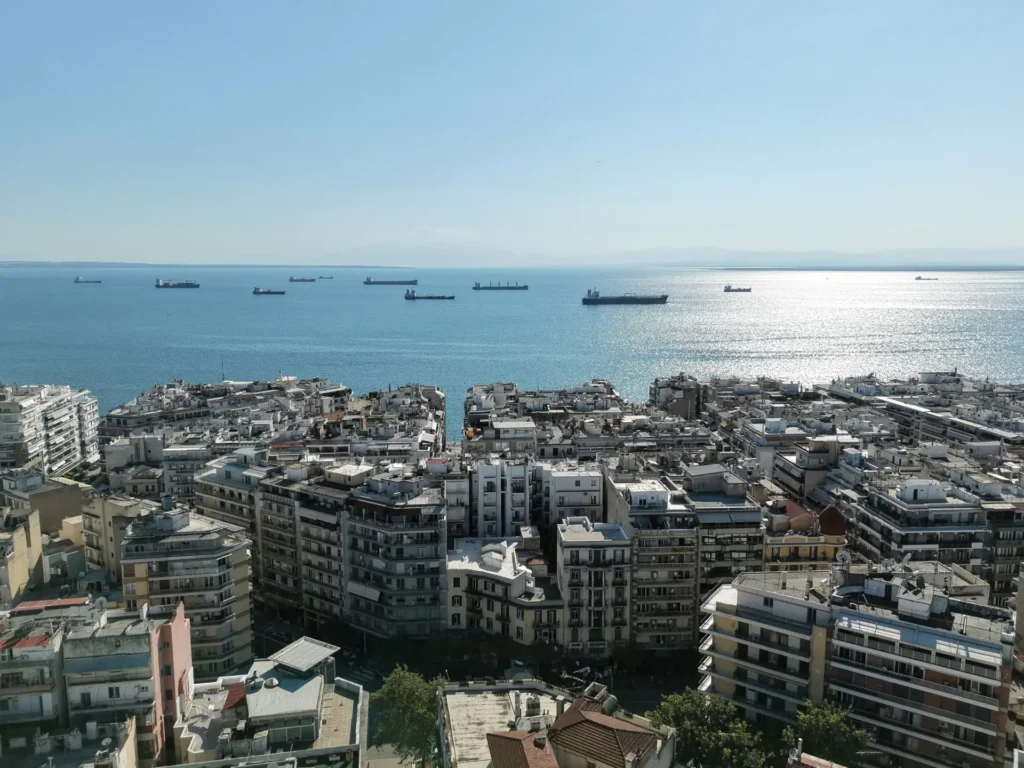

For years, the image of Greece was defined almost entirely by the islands.
Whitewashed villages, ferries crossing the Aegean, terraces overlooking the sea .These became the visual shorthand of Greek travel and while the islands continue to hold enormous appeal, something has quietly started to shift in the way people experience the country.
More travellers in 2026 are beginning to look toward mainland Greece.
Not because the islands have lost their value, but because travellers themselves are changing. They are moving more thoughtfully, staying longer in fewer places, and searching for experiences that feel less performative and more connected to the landscape, culture, and rhythm of the country itself.
Mainland Greece answers that search in a very different way.
A Different Kind of Greece
The mainland does not reveal itself immediately.
Unlike some island destinations, which are visually striking from the moment of arrival, mainland Greece unfolds gradually. A coastal road becomes a mountain village. Lunch extends unexpectedly into the afternoon. A place that looked quiet on the map suddenly becomes the most memorable part of the journey.
This slower sense of discovery is part of the appeal.
Recent travel behaviour shows growing interest in destinations that feel more grounded and less saturated by tourism. Searches related to quieter regions of Greece, road trips, nature-based travel, and lesser known destinations continue to rise as travellers move away from highly compressed itineraries.
For many, mainland Greece now represents the version of the country that feels most natural to experience.
The Peloponnese and the Return of Slower Travel
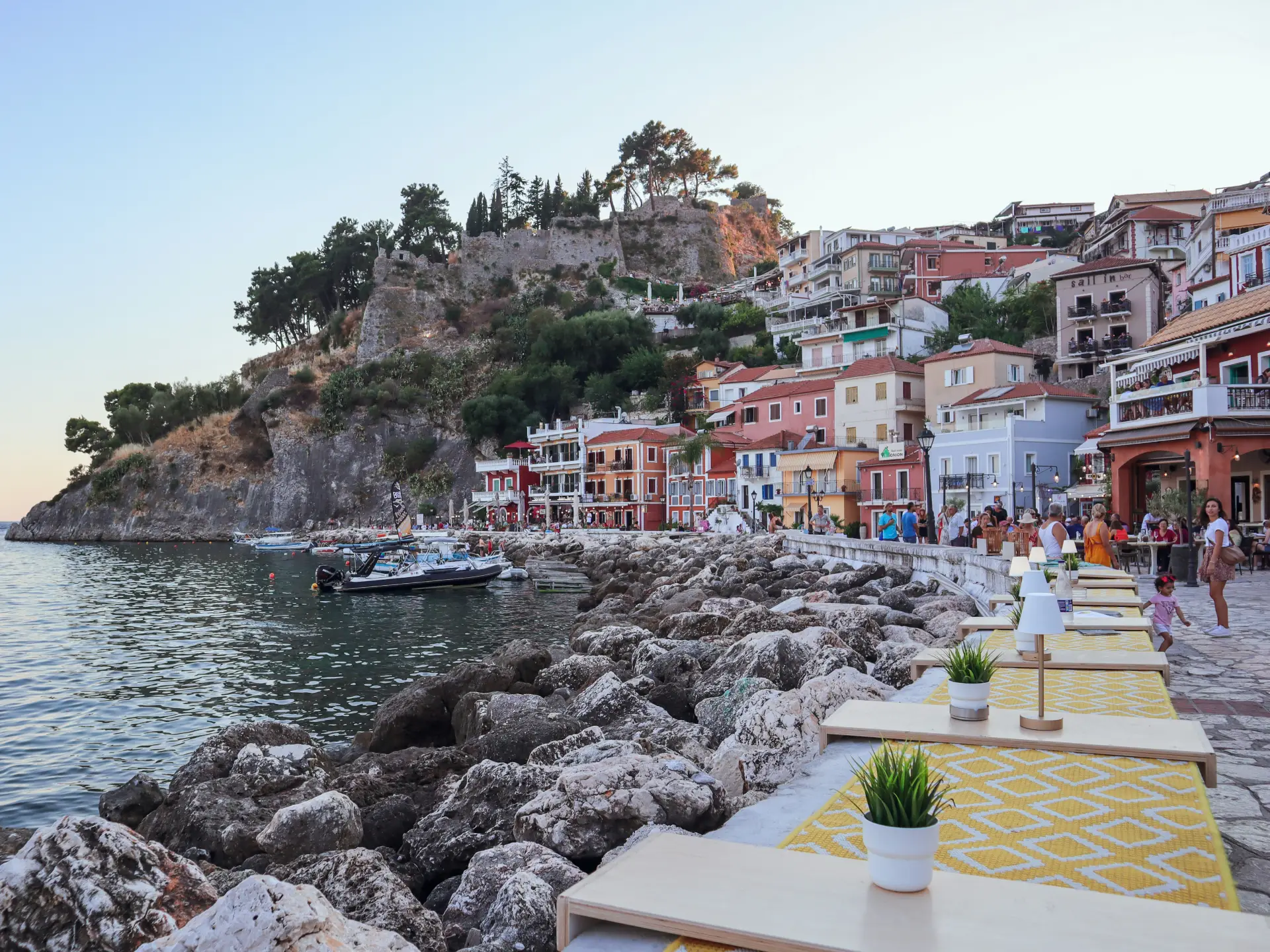
The Peloponnese has become one of the strongest examples of this shift.
The region combines coastline, mountain landscapes, historical depth, and village life within a structure that feels continuous rather than fragmented. Travellers move through it differently than they move through the islands. There are fewer transfers, fewer logistical interruptions, and more space for spontaneity.
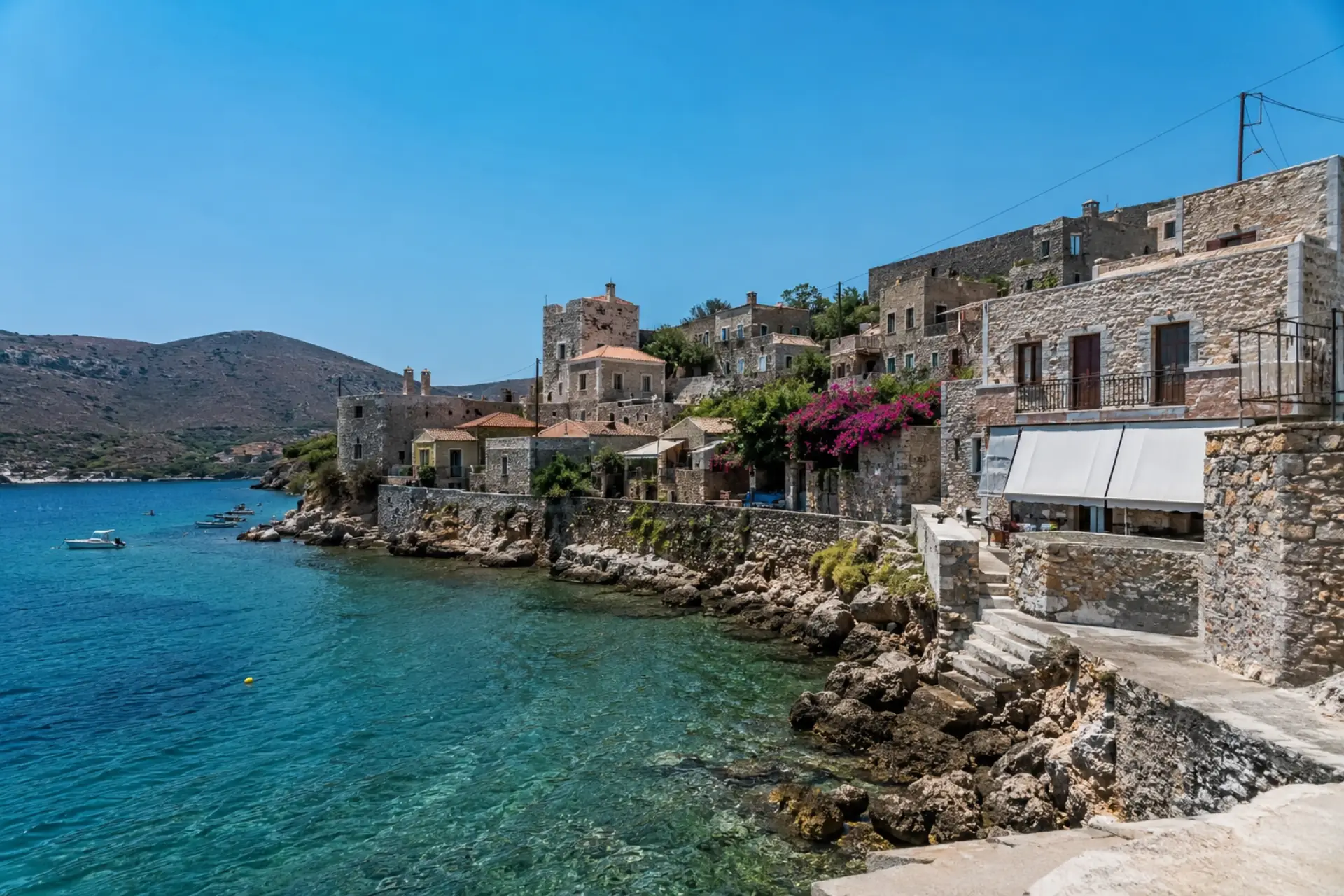
Destinations such as Nafplio, Monemvasia, and the Mani Peninsula are increasingly attracting travellers who want beauty and atmosphere without the intensity associated with more saturated destinations.
The experience feels expansive rather than compressed.
Why the Mainland Feels Easier to Navigate
One of the reasons travellers are increasingly drawn toward mainland Greece is simplicity.
Island itineraries often depend on ferry schedules, seasonal routes, weather conditions, and multiple hotel transitions. While these movements can be part of the experience, they can also shape the rhythm of the trip more than expected.
The mainland offers a different type of continuity.
Road travel allows journeys to unfold more gradually. Destinations connect naturally to one another, and movement itself becomes part of the experience rather than an interruption to it. Travellers spend less time coordinating logistics and more time inside the journey itself.
In 2026, this sense of ease has become increasingly valuable.
Beyond the Coastline
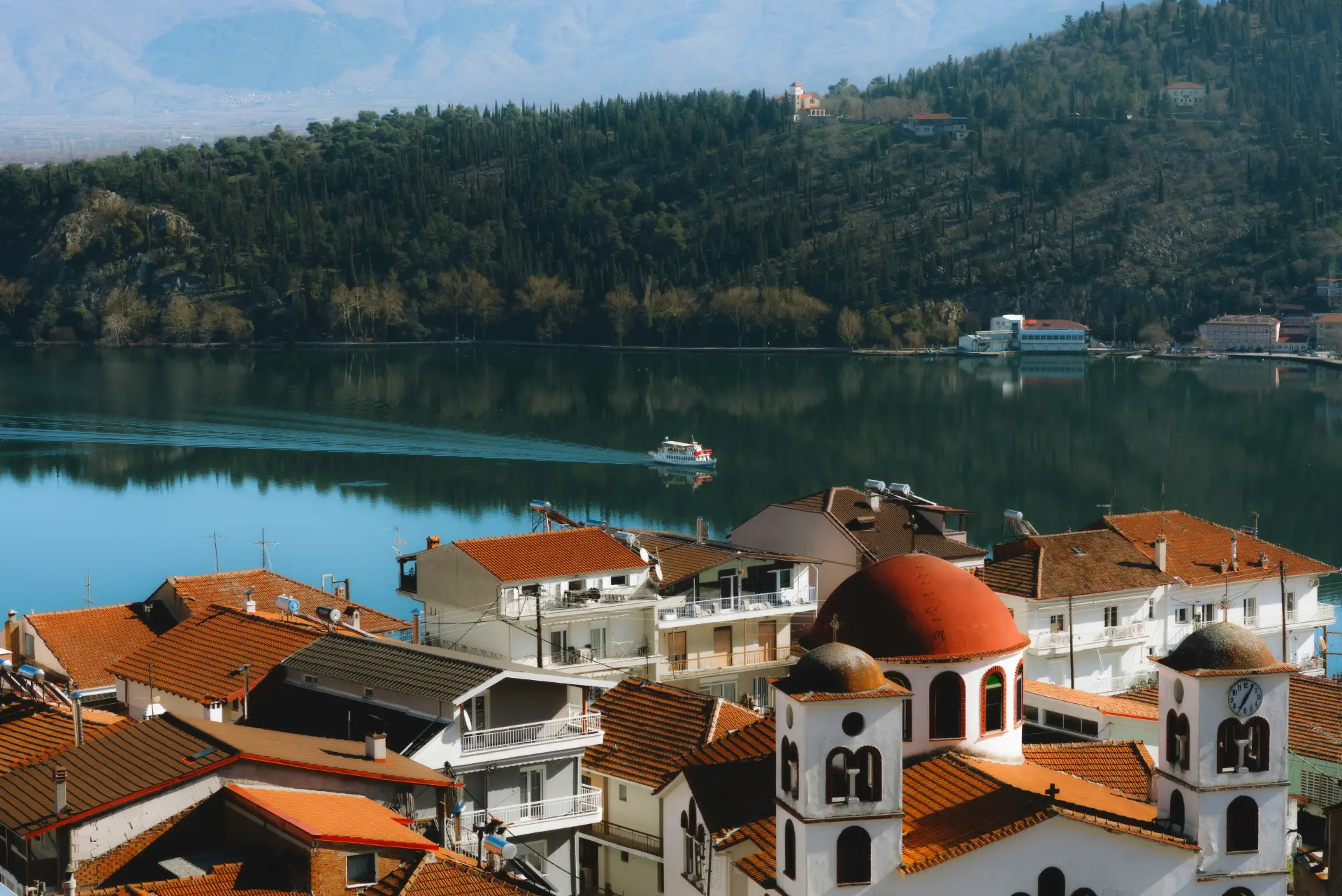
Mainland Greece also introduces landscapes many travellers do not initially associate with the country.
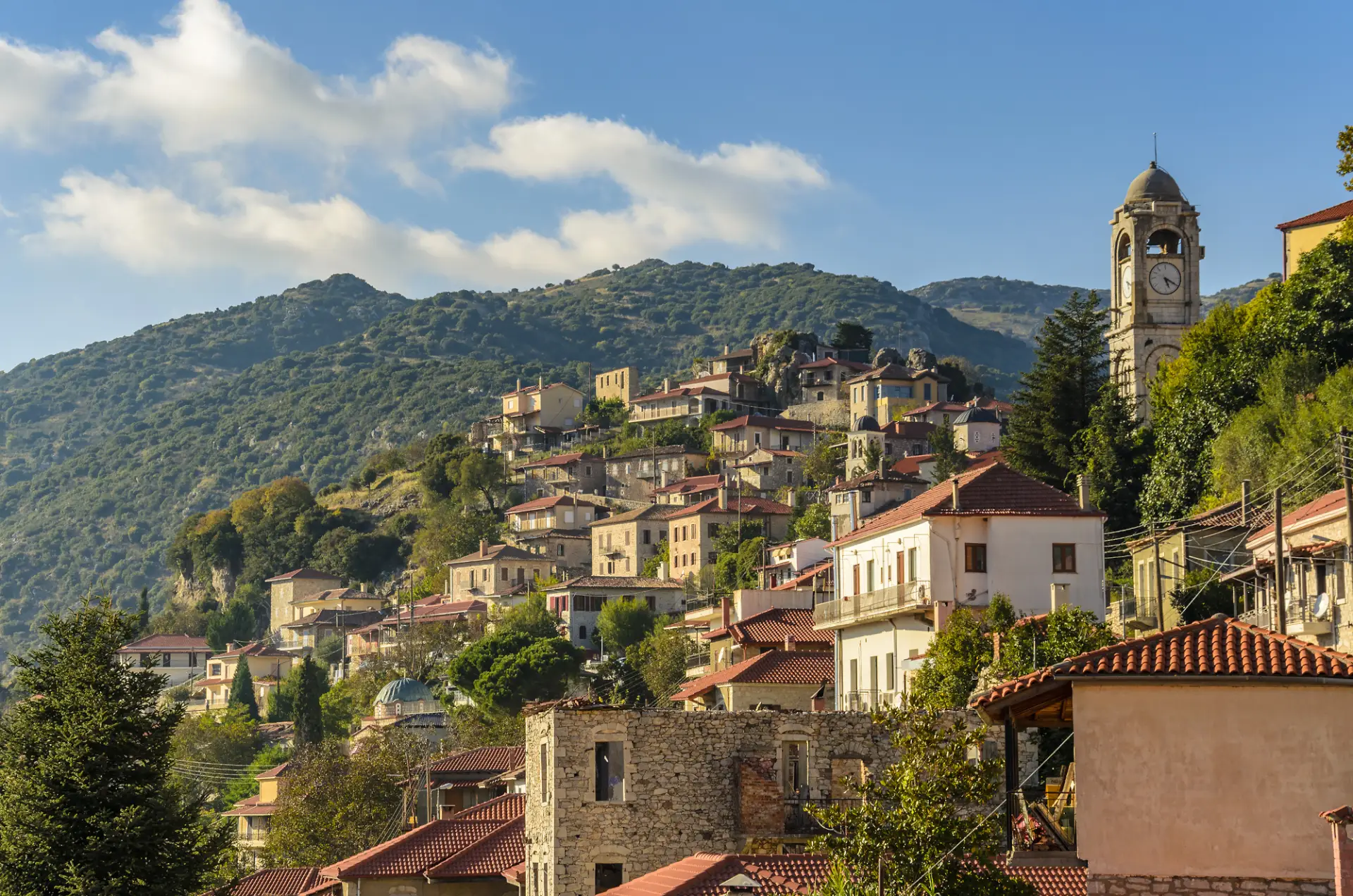
In regions such as Epirus and Zagori, stone villages sit between mountains and forests, creating a completely different atmosphere from the Cyclades. In Arcadia, inland roads move through valleys, small towns, and traditional guesthouses where travel slows almost automatically.
These places are not alternatives to the islands in the sense of replacement. They are alternatives in the sense of perspective.
They reveal another dimension of Greece one connected less to image and more to atmosphere.
Why Sophisticated Travellers Are Looking Beyond the Obvious
Luxury travel is becoming quieter.
Travellers are increasingly searching for destinations that feel intentional rather than visible. Privacy matters more than spectacle. Continuity matters more than volume. The journey itself matters as much as the individual destination.
Mainland Greece naturally aligns with this shift because many of its strongest experiences are not built around exposure. They are built around rhythm, landscape, food, conversation, and time.
The appeal is not in discovering somewhere before everyone else. It is in experiencing Greece in a way that feels more complete.
The Islands Still Matter But Differently
This shift does not mean travellers are abandoning the islands altogether.
Instead, many journeys are now combining mainland regions with one carefully selected island destination, creating a balance between movement, coastline, culture, and stillness. This approach allows the trip to feel more layered and less repetitive.
The structure becomes more important than the number of places included.
A More Considered Way to Experience Greece
There is no single correct way to travel through Greece.
For some, the islands will always define the experience. For others, the mainland becomes the part of the journey they remember most clearly afterwards. Increasingly, travellers are recognising that the most rewarding version of Greece is often the one that feels least rushed and most connected to the country itself.
That understanding is quietly reshaping how Greece is explored in 2026.
Plan Your Journey Thoughtfully
The most memorable journeys through Greece are rarely built around popularity alone.
Plous designs experiences that balance destinations, pace, and atmosphere creating journeys that feel connected, natural, and deeply aligned with how travellers want to experience Greece today.