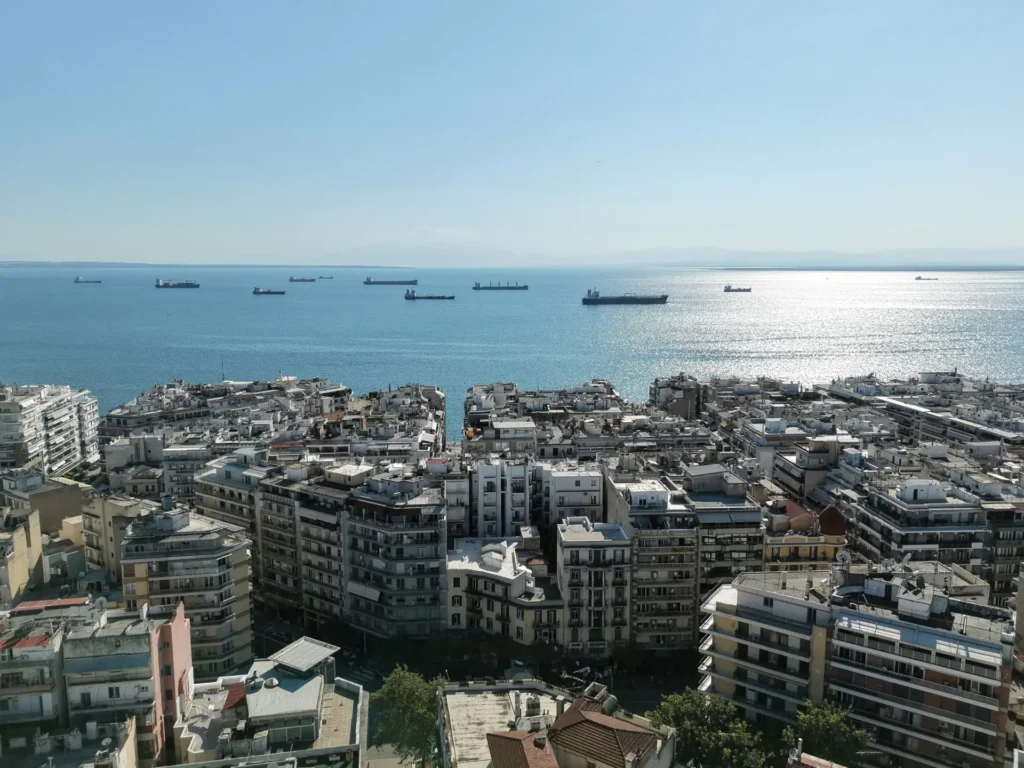


How to plan a trip to Greece is one of the most searched questions right now, yet most of the answers focus on where to go rather than how the journey should unfold.
In 2026, travelers are no longer simply choosing destinations. They are trying to understand how to connect them in a way that feels natural, efficient, and well-paced. The difference between a good trip and a memorable one often lies not in the locations themselves, but in the structure behind them.
A trip to Greece is not defined by how many places are included. It is defined by how those places work together.
Why Structure Matters More Than Destination
Greece offers an exceptional range of locations, from cities rich in history to islands shaped by landscape and pace. When viewed individually, many destinations appear equally compelling. The challenge emerges when they are combined.
Search behavior shows a growing frustration among travelers who feel uncertain about how to organise their time. Queries such as “how to plan a trip to Greece” and “Greece itinerary ideas” continue to increase, reflecting a need for clarity rather than inspiration.
Structure becomes the element that resolves this. Without it, even the most well-known destinations can feel disconnected.
The Starting Point: Creating Context
Most well-structured journeys begin with a sense of context.
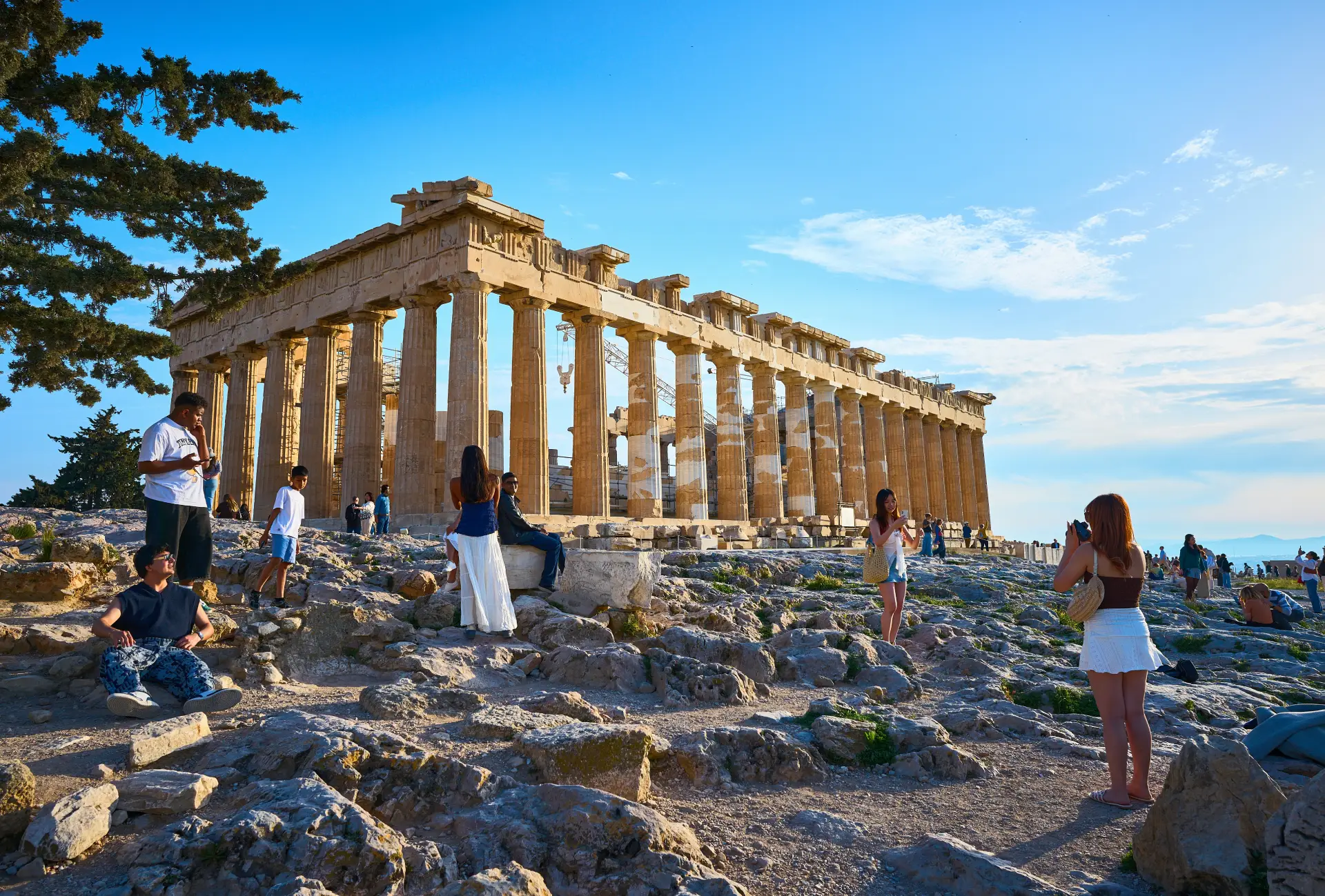
In Greece, this often means starting in Athens, where the historical and cultural foundation of the country is immediately visible. The city provides orientation, not only geographically, but also experientially. It allows travelers to understand where they are before moving into a different environment.
Beginning in a city also establishes rhythm. It introduces movement, scale, and perspective before transitioning into a more contained setting.
Transitioning Without Disruption
One of the most common issues in travel planning is the overuse of transitions.
Moving between destinations in Greece requires coordination. Flights, ferries, and transfers are part of the journey, but when they become too frequent, they begin to interrupt the experience rather than support it.
A well-structured itinerary reduces unnecessary movement. It groups destinations that are naturally connected and allows each transition to feel intentional rather than repetitive. The journey becomes continuous rather than segmented.
Choosing Fewer, More Compatible Destinations
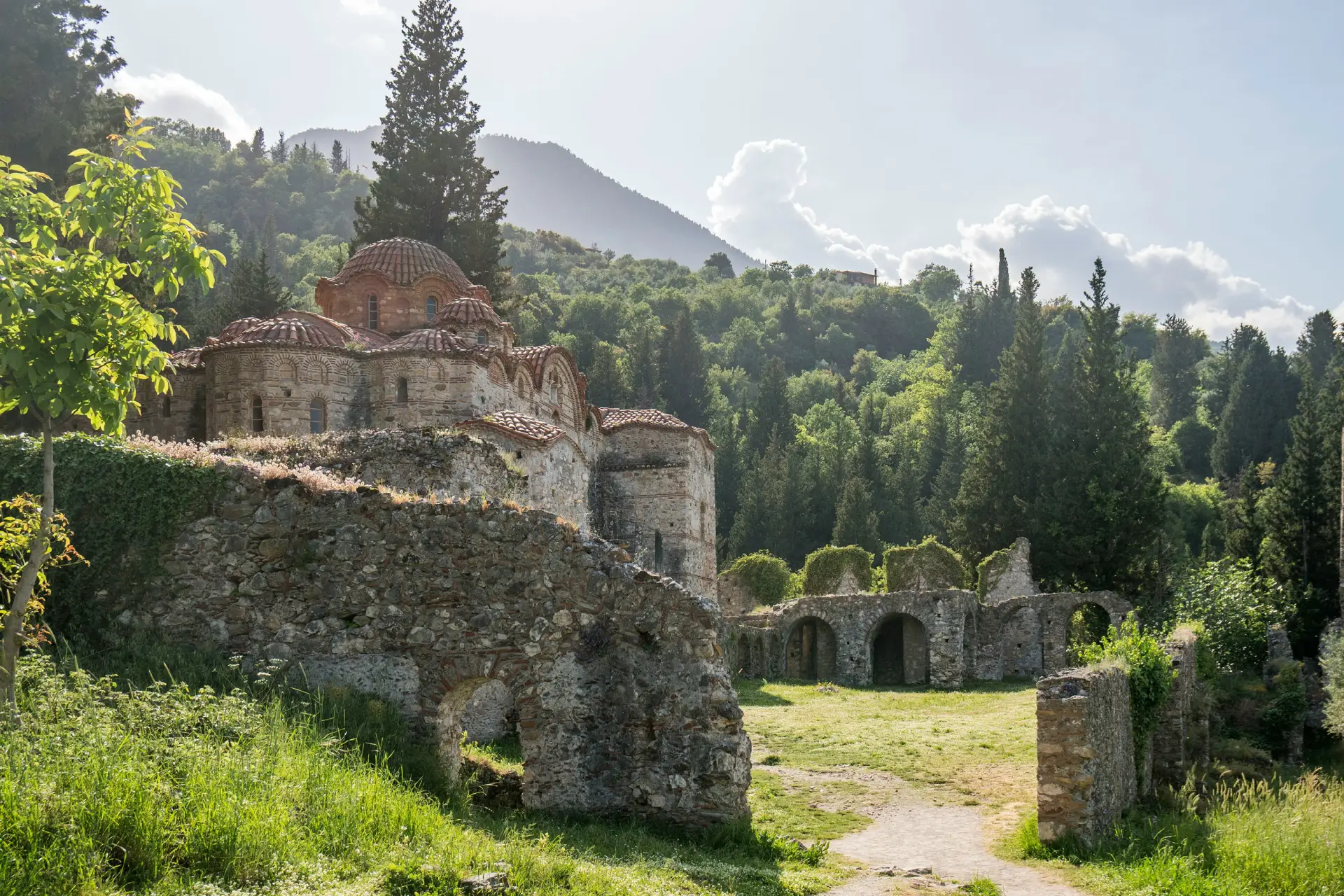
In 2026, travel behavior is shifting toward fewer destinations with more time spent in each.
This is not a limitation, but an adjustment in perspective. When destinations are reduced, the experience becomes more cohesive. Travelers have time to observe how a place changes throughout the day, rather than only encountering it briefly.
Compatibility between destinations also becomes important. Some locations complement each other in pace and atmosphere, while others create contrast. The objective is not to eliminate contrast, but to manage it in a way that maintains balance.
The Role of Timing in Structure
Timing is often treated as a separate decision, yet it is closely linked to structure.
Travel during peak periods can compress an itinerary, increasing the time required for movement and reducing flexibility. Travelling slightly outside these periods often allows the same route to unfold more smoothly.
Search trends around “best time to visit Greece” continue to rise, indicating that travelers are increasingly aware that timing affects not only comfort, but also how easily a trip can be structured.
Allowing Space Within the Journey
A well-structured trip includes space.
This does not mean empty time, but rather time that is not fully predetermined. It allows for adjustment, for rest, and for the unexpected. Without this space, even a carefully planned itinerary can feel rigid.
In Greece, where each destination offers its own rhythm, allowing space becomes essential. It ensures that the journey adapts to the place, rather than forcing the place into a fixed schedule.

What Travelers Are Prioritising Now
Recent travel insights indicate that travelers are placing greater value on ease, continuity, and clarity.
Rather than asking how much can be included, they are asking how a journey will feel from beginning to end. This shift is reflected in the growing interest in well-paced itineraries and in search queries focused on planning rather than destination lists.
The emphasis has moved from accumulation to experience.
A Journey That Feels Connected
A trip to Greece works best when it is experienced as a sequence rather than a collection.
Each destination should build on the previous one, creating a sense of progression. Movement should feel deliberate, not repetitive. Time should be allocated in a way that supports both exploration and stillness.
When these elements align, the journey feels connected. And when a journey feels connected, it becomes easier, more coherent, and ultimately more memorable.
Plan Your Journey Thoughtfully
How a trip is structured shapes how it is experienced.
Plous designs journeys that bring destinations together with clarity, ensuring that each itinerary flows naturally and reflects the way travel is evolving today.