
When most travellers begin planning a trip to the Greek islands, ferry routes are rarely the first thing they think about.
The focus usually begins elsewhere – choosing the islands, selecting hotels, deciding how many days to spend in each destination. Ferries often come later, treated as the practical layer that simply connects everything together.
In reality, the opposite is often true.
Ferry planning is one of the most important factors in shaping how a Greek island journey actually feels. It determines the rhythm of movement, the pace between destinations, the amount of time lost in transit, and often whether an itinerary feels seamless or unnecessarily fragmented.
In Greece, where distances may appear simple on a map but operate very differently in practice, the structure of a journey matters as much as the destinations themselves.
And ferry planning sits at the center of that structure.
The Route Matters More Than the Island List
One of the most common mistakes travellers make is building an itinerary around islands they want to visit without first understanding how those islands connect.
On paper, combining Santorini, Milos, and Paros may seem straightforward. In practice, ferry schedules, seasonal frequency, and connection times can create long travel days that interrupt the natural flow of the trip.
The same applies to quieter routes.
Combining islands such as Sifnos, Serifos, and Folegandros can create a beautifully balanced journey, but only if the timing between them supports it.
This is why route logic matters.
A strong Greek island itinerary is not simply about choosing beautiful places. It is about creating movement between them that feels natural, efficient, and aligned with the pace you want your journey to have.
Ferry Timing Shapes the Rhythm of the Day
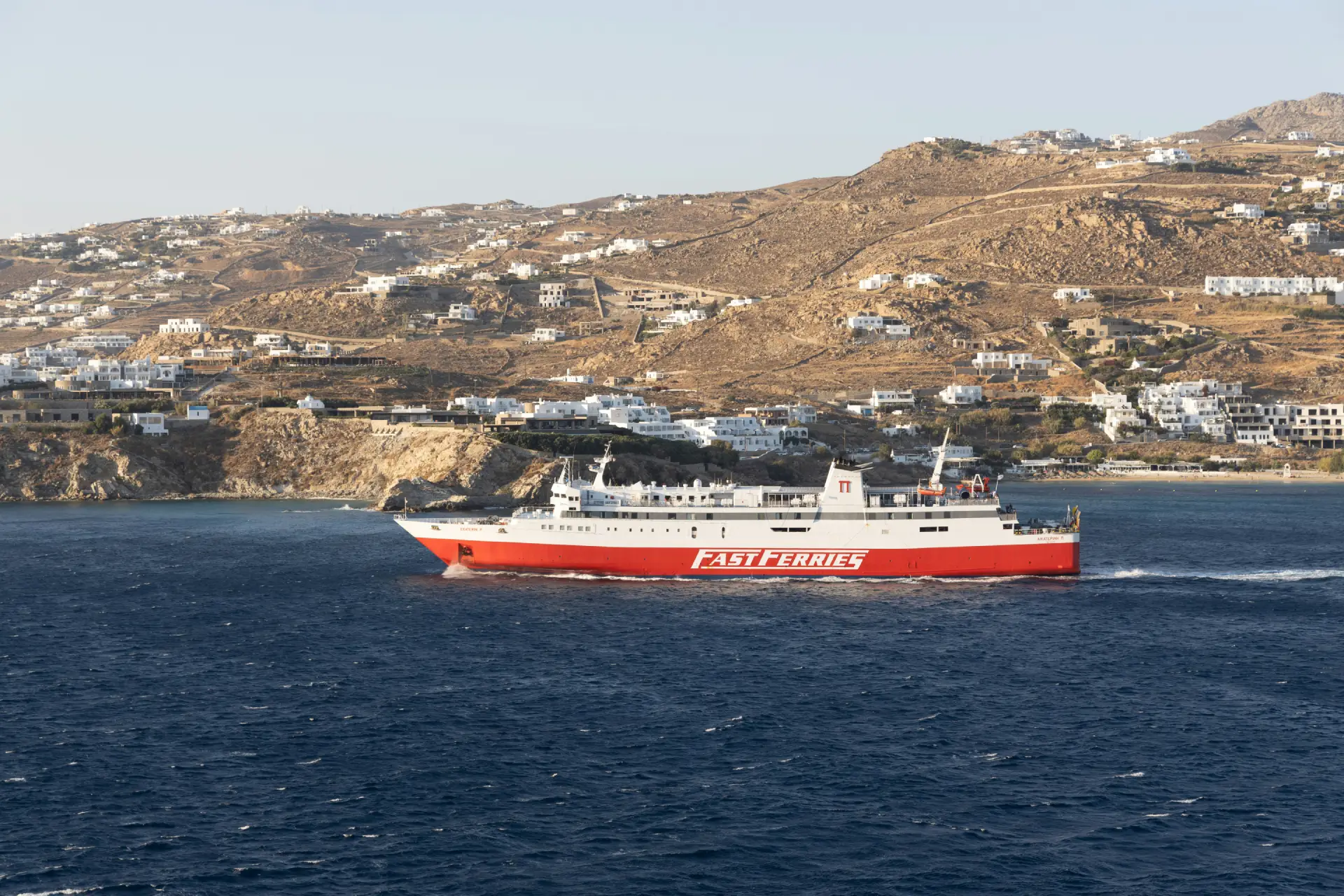
A 9am ferry creates a very different day from a 1pm ferry.
An afternoon arrival changes dinner, beach time, hotel check-in, and the overall pace of the destination itself. A poorly timed departure can easily turn a travel day into an entire logistical exercise rather than part of the journey.
This is especially important in summer, when ports become busier and ferry traffic increases significantly.
For travellers seeking a more refined or slower-paced island experience, avoiding unnecessary transit pressure can make a noticeable difference.
Sometimes the best island combination is not the most obvious one, but the one that allows the journey to move more comfortably.
That often becomes clear only once ferry schedules are properly understood.
Seasonal Schedules Can Change Everything
One of the unique aspects of ferry travel in Greece is how much it changes throughout the year.
A route that operates daily in July may be far less frequent in April or October. Certain direct connections may disappear entirely outside peak season, while others become significantly easier during summer.
This can reshape an itinerary completely.
A route that feels effortless in August may require an overnight stop or an entirely different sequence in shoulder season.
For travellers planning outside the busiest months – increasingly one of the strongest trends in Greece travel – this becomes even more relevant.
At Plous, ferry planning is considered early in the design process for exactly this reason.
It allows the journey to adapt around real movement rather than ideal assumptions.
Simplicity Often Creates Better Travel
There is a natural temptation when visiting Greece to fit in as many islands as possible.
But more movement does not always create a stronger experience.
In many cases, fewer islands with better ferry flow create a far more rewarding journey than multiple rushed transitions.
Two well-matched islands connected by a short, direct crossing can feel far more luxurious than four destinations requiring constant packing, transfers, and schedule pressure.
Luxury is often associated with where you stay.
Increasingly, it is just as much about how you move.
Ease, timing, and continuity shape the experience in ways many travellers only realise once they are there.
Ferry Planning Is Part of Thoughtful Travel Design
At Plous, ferry routes are not treated as an afterthought.
They are part of how an itinerary is designed from the beginning.
Island combinations, seasonal schedules, and travel timing all influence how a journey is structured, ensuring that movement supports the experience rather than interrupts it.
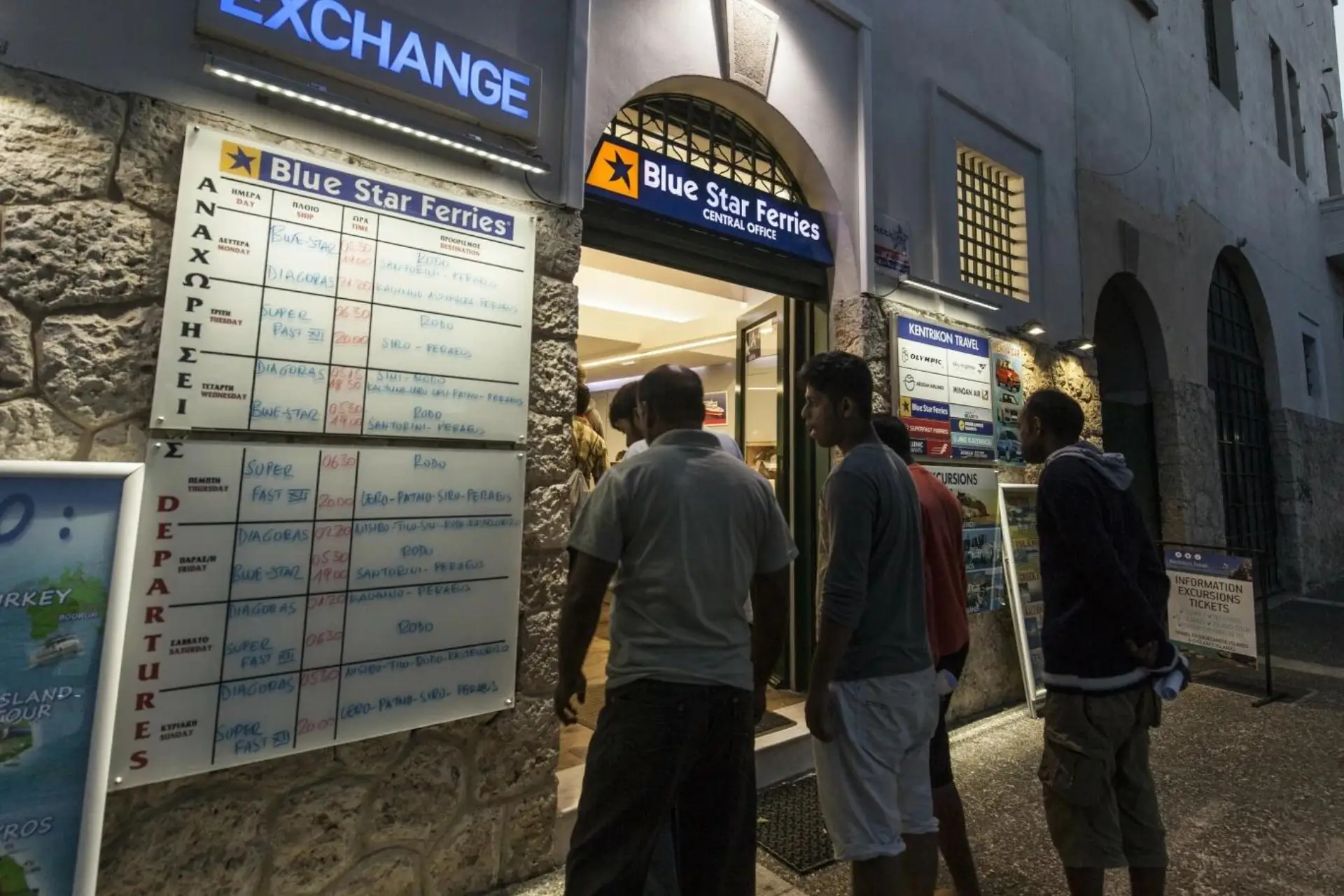
Through our collaboration with Ferryhopper, travellers can review real-time ferry routes, schedules, and connections while building their island journey – making the planning process more informed and significantly more efficient.
Because in Greece, how you move between islands often shapes the journey just as much as the islands themselves.
Plan Greece with the Right Structure
The most memorable Greek island journeys rarely happen by chance.
They are built through thoughtful pacing, smart route planning, and an understanding of how destinations connect in practice.
Plous designs tailor-made island journeys across Greece by aligning destinations, ferry routes, and travel rhythm to create itineraries that feel balanced, seamless, and naturally suited to the way you want to travel.
Begin your journey with Plous and plan Greece with structure, ease, and intention.