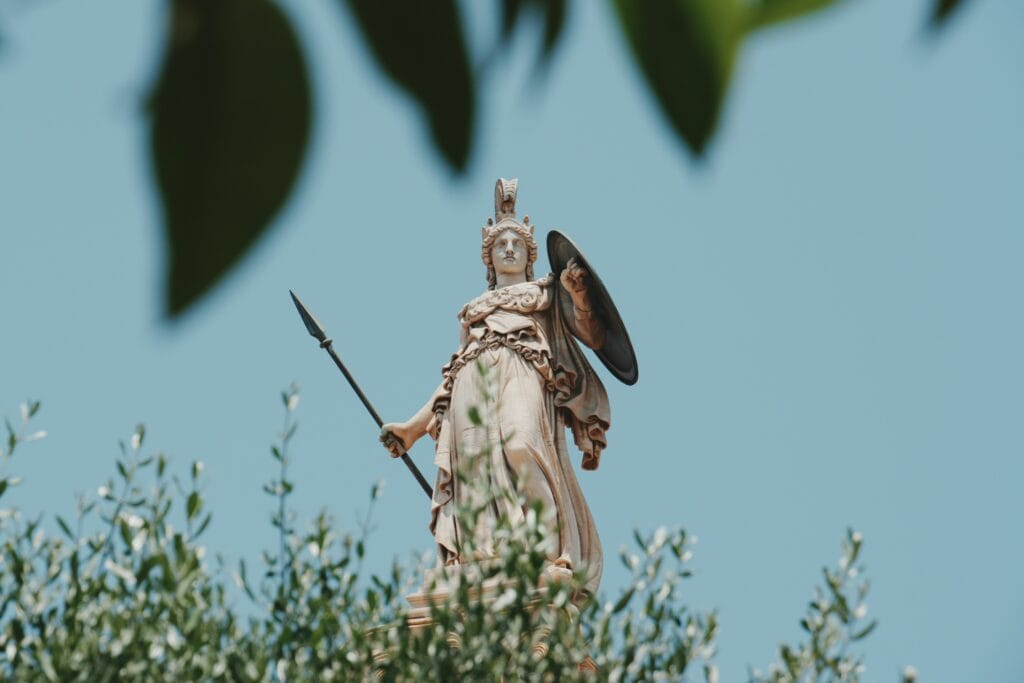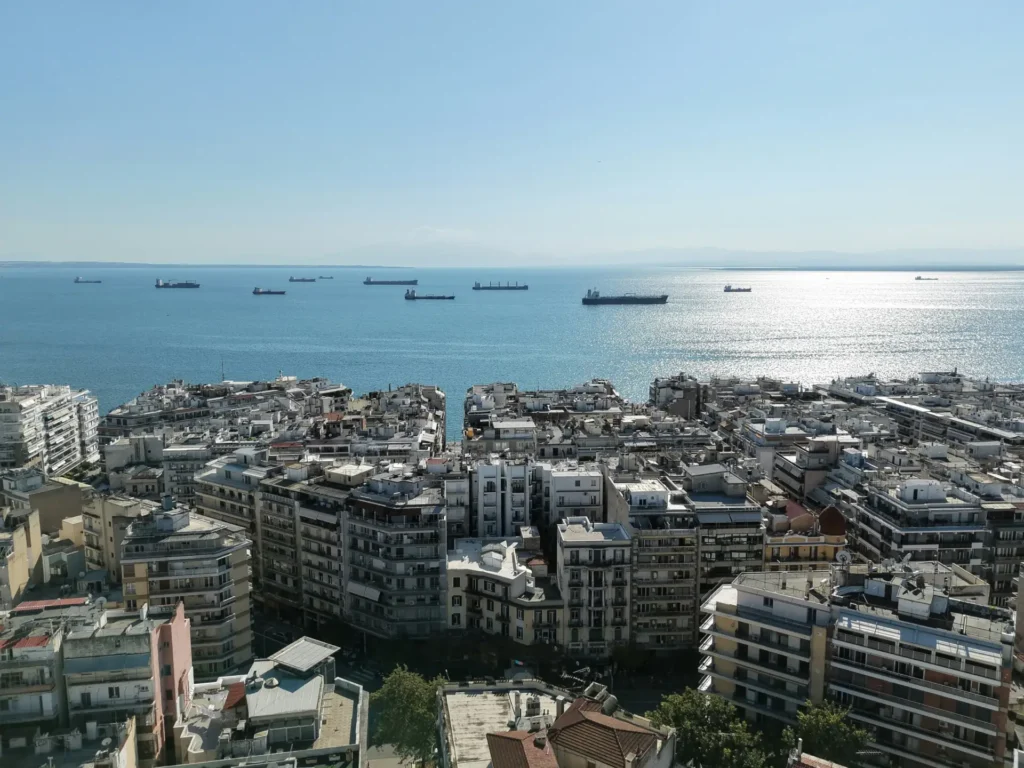

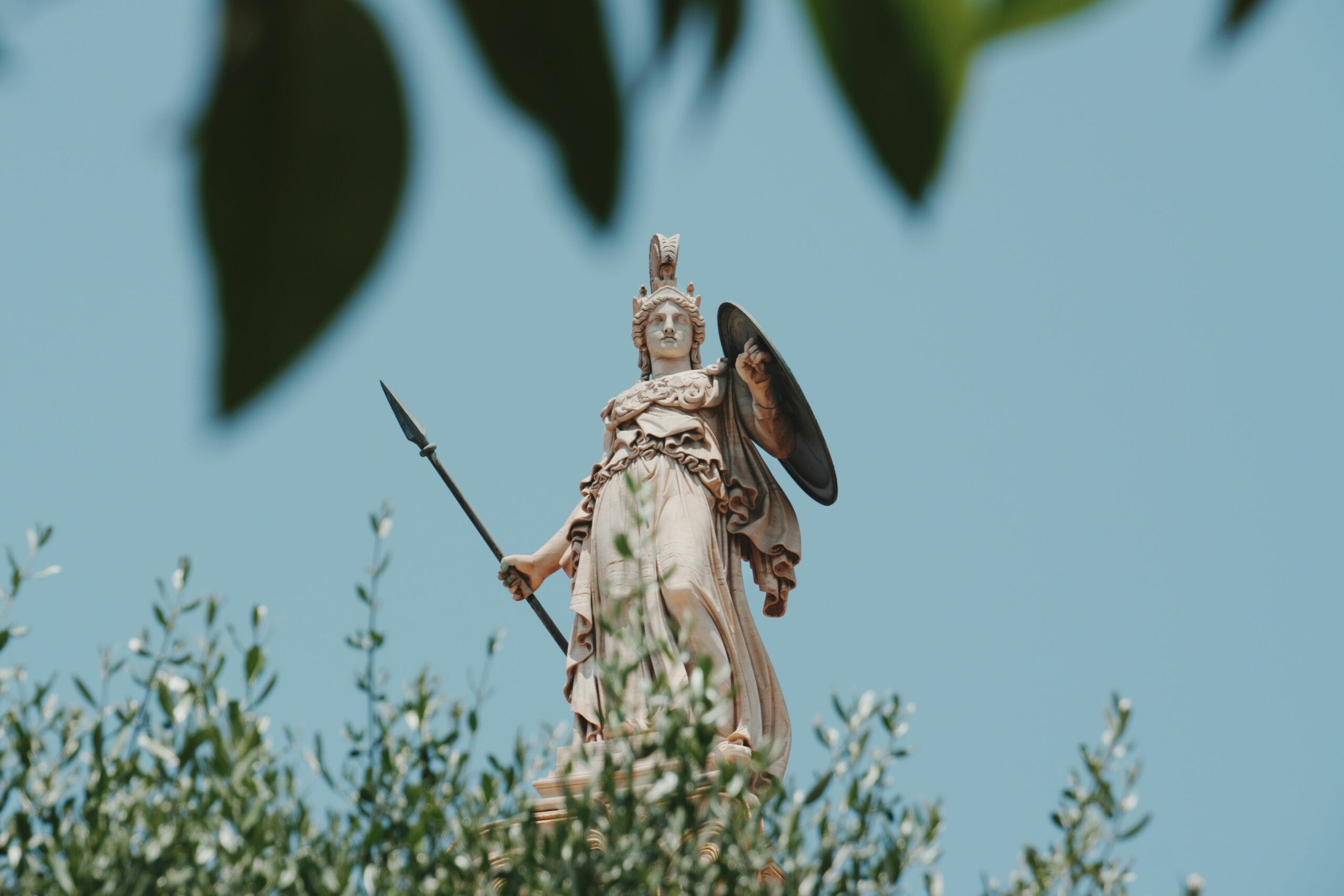
Athens and Thessaloniki both work well for a Greek winter city break. Athens offers major archaeological sites, museums and a wide choice of neighbourhoods and restaurants. Thessaloniki is smaller, easy to explore on foot and particularly strong for food, Byzantine history and waterfront walks.
Allow five to seven days to combine the two cities: three or four nights in Athens and two or three in Thessaloniki. The trip is best suited to travellers who are more interested in culture, food and city life than beaches or island hopping.
The short answer: Visit Athens in winter for quieter archaeological sites, museums and neighbourhood dining. Add Thessaloniki for a more compact city, Byzantine monuments and one of Greece’s strongest food scenes. Together, they make a realistic five-to-seven-day itinerary, with a short domestic flight usually providing the most efficient connection.
Greece’s tourism strategy is placing more emphasis on travel outside summer, as explained in Why Greece Is Betting Big on Autumn and Winter Travel for 2026–2027. Athens and Thessaloniki are two of the most practical destinations for that shift because both are active throughout the year.
Is Athens Worth Visiting in Winter?
Yes. Winter removes two of the main difficulties of visiting Athens in summer: extreme heat and peak-season crowds.
The Acropolis and Ancient Agora are easier to visit during the middle of the day, while the city’s museums provide reliable options when the weather changes. Restaurants, cafés and cultural venues remain active because Athens is a working capital rather than a seasonal resort.
Winter does not guarantee empty attractions, particularly during weekends and holiday periods. It does, however, allow greater flexibility than July or August and makes neighbourhood exploration considerably more comfortable.
What to Do in Athens in Winter
Visit the archaeological sites at a comfortable pace. The Acropolis, Ancient Agora and Roman Agora can be combined without organising the day around summer heat. Check seasonal opening hours before confirming the route.
Choose two or three museums rather than trying to see everything. The Acropolis Museum, National Archaeological Museum, Benaki Museum and Museum of Cycladic Art cover very different periods and interests.
Explore neighbourhoods beyond the historic centre. Plaka and Monastiraki are convenient for first-time visitors, while Koukaki, Pangrati and Kolonaki offer a broader view of contemporary Athens.
Plan time around food, not only sightseeing. Winter suits market visits, long lunches and restaurants that may feel rushed or difficult to reserve during the busiest summer weeks.
Check the current festive programme. Athens usually schedules Christmas lighting, concerts and family events during December, including programming around Syntagma Square and the Stavros Niarchos Foundation Cultural Center. Dates and venues change each year and should be confirmed before publication or booking.
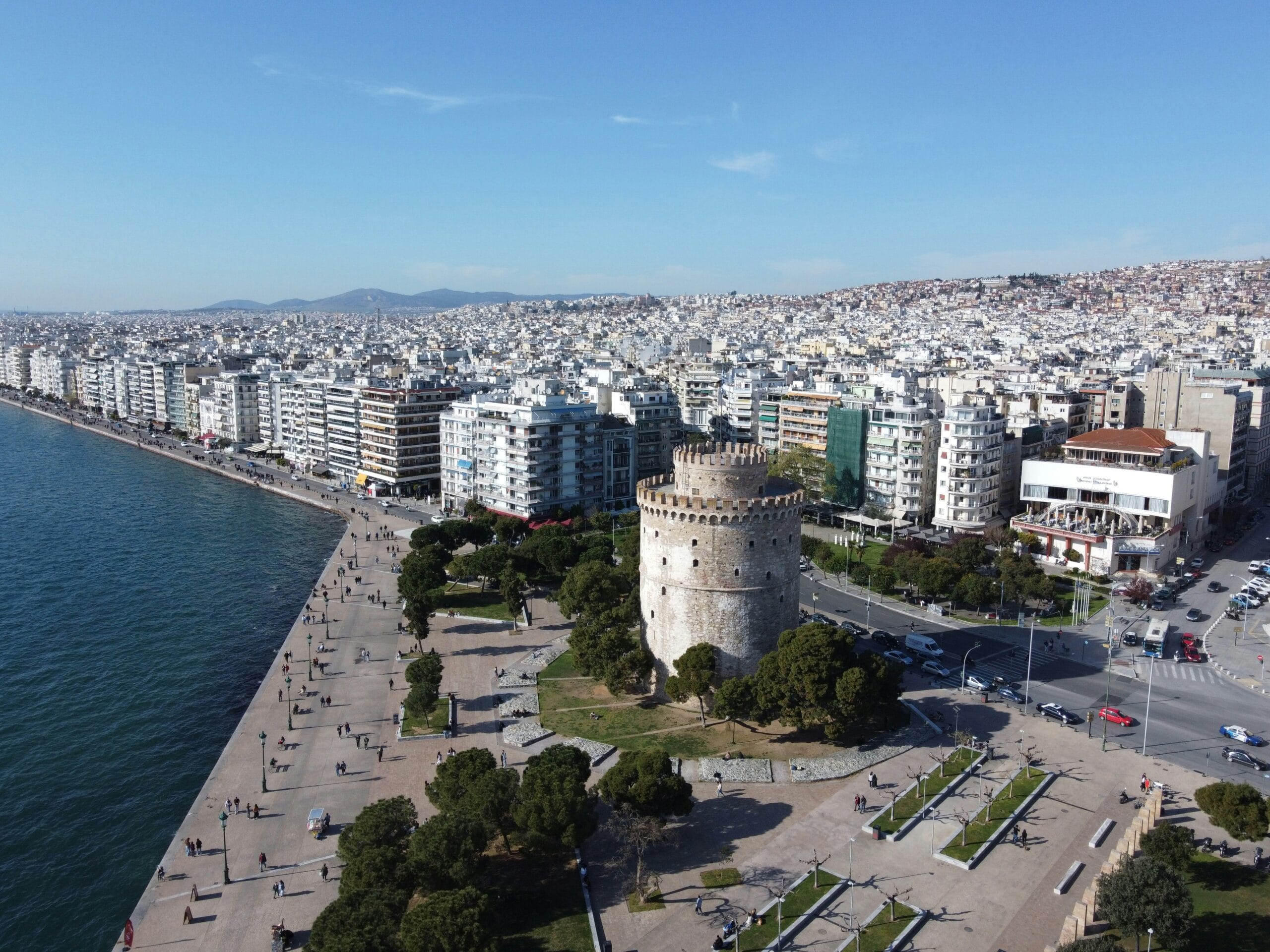
Is Thessaloniki Worth Visiting in Winter?
Yes. Thessaloniki is smaller than Athens and easier to cover during a short stay. Its centre is walkable, many of its principal monuments are close together, and the city’s food culture works particularly well during the cooler months.
The waterfront, markets, Byzantine churches and restaurant districts give travellers enough variety for two or three full days. Thessaloniki is also a useful starting point for a longer northern Greece itinerary, but it does not require a regional extension to justify the visit.
What to Do in Thessaloniki in Winter
Walk the waterfront. The promenade connects the White Tower with the newer waterfront parks and is easy to combine with museums, cafés and central neighbourhoods.
Explore the city’s Byzantine history. The Rotunda, Agios Dimitrios and other early Christian and Byzantine monuments can be organised into a focused half-day or full-day route with a specialist guide.
Visit the markets and food districts. Kapani, Modiano and the streets around the centre provide a useful introduction to the city’s food culture. Ladadika is convenient for dinner and evening drinks, although it is only one part of Thessaloniki’s restaurant scene.
Try seasonal dishes and drinks. Winter is a good time for slow-cooked dishes, pastries and salepi, the warm cinnamon-dusted drink sold at cafés and street kiosks.
Check December event dates. Thessaloniki normally hosts festive markets and public events around the city centre and exhibition grounds. The format and operating dates vary, so they should be treated as seasonal additions rather than the reason for the entire trip.
Athens or Thessaloniki: Which Is Better in Winter?
| Choose Athens for… | Choose Thessaloniki for… |
|---|---|
| The Acropolis and major archaeological sites | Byzantine monuments and a compact historic centre |
| A wider range of museums | A smaller city that is easier to explore on foot |
| More neighbourhood and hotel choice | A particularly strong food-focused stay |
| A first visit to mainland Greece | A return trip or a different introduction to Greece |
| Easier international flight access | Access to northern Greece |
First-time visitors should normally give Athens more nights. Travellers who already know the capital may prefer to spend longer in Thessaloniki or use it as the beginning of a northern route.
How Many Days Do You Need?
Five nights is the practical minimum for combining both cities. Seven nights allows a more relaxed schedule and gives each destination enough time beyond its principal sights.
| Trip length | Suggested structure |
|---|---|
| 5 nights | 3 nights Athens + 2 nights Thessaloniki |
| 6 nights | 3 nights Athens + 3 nights Thessaloniki |
| 7 nights | 4 nights Athens + 3 nights Thessaloniki |
A five-night itinerary works best when arrival times are convenient and the transfer between cities does not consume most of a day. Seven nights is better for travellers who want private guiding, neighbourhood time and longer meals without filling every hour.
How Do You Travel Between Athens and Thessaloniki?
A domestic flight is usually the most efficient option for a short city break. The flight itself is brief, but the itinerary should still allow for airport transfers, check-in and security.
Rail may also be an option, depending on the current timetable and service pattern. Confirm operating schedules and journey times before booking accommodation, as these can change. Travellers who want to add Meteora or another mainland stop will need a different route rather than treating the connection as a simple city-to-city transfer.
What Is the Winter Weather Like?
Athens is generally milder than Thessaloniki. Winter days can be bright and comfortable for walking, but rain, wind and colder evenings are possible in both cities.
Thessaloniki is usually cooler and can feel colder along the waterfront. Neither city should be planned around guaranteed sunshine.
Pack:
- A warm, weather-resistant coat
- Comfortable shoes with good grip
- Light layers for museums and restaurants
- A compact umbrella
- One smarter outfit for evening dining
The practical advantage of a city itinerary is that outdoor sightseeing can be rearranged around the forecast, with museums, markets and food experiences used on wetter days.
When Is the Best Time for a Winter City Break?
Late November and December
Choose this period for festive lighting, events and seasonal atmosphere. Confirm the city programme and remember that Christmas and New Year can increase hotel demand.
January and February
These are generally the quietest winter months. They suit museums, restaurants and a slower city itinerary, but travellers should be prepared for cooler and wetter weather.
Early March
March can provide longer days and the first signs of spring while remaining outside the main season. Weather is variable, but the additional daylight makes walking and archaeological visits easier.
A Practical Six-Night Itinerary
Days 1–3: Athens
- Acropolis and Acropolis Museum
- Ancient Agora or National Archaeological Museum
- One privately guided neighbourhood or food experience
- Free time in Koukaki, Pangrati or the historic centre
Day 4: Athens to Thessaloniki
Use the morning for a final Athens visit, then travel to Thessaloniki. Avoid scheduling a fixed dinner immediately after arrival in case of delays.
Days 5–6: Thessaloniki
- Byzantine monuments and the historic centre
- Markets and a guided food experience
- Waterfront walk and museum visit
- Dinner in Ladadika or another central neighbourhood
Add a seventh night if you want a day trip or a slower final day. Do not add several northern destinations to a short city break simply because they appear close on the map.

Frequently Asked Questions
Is Athens worth visiting in winter?
Yes. Winter offers more comfortable conditions for archaeological sites, quieter museums and greater flexibility for exploring the city’s neighbourhoods and restaurants.
Is Thessaloniki worth visiting in winter?
Yes. Thessaloniki has a compact centre, year-round food culture, Byzantine monuments, markets and a long waterfront. Two or three nights is suitable for a first visit.
How cold are Athens and Thessaloniki in winter?
Athens is generally mild but can be rainy and cold in the evening. Thessaloniki is usually a few degrees cooler and may feel colder along the waterfront. Pack layers and a weather-resistant coat.
Can you combine Athens and Thessaloniki in one trip?
Yes. Allow five to seven nights and use a domestic flight or current overland connection. Three or four nights in Athens and two or three in Thessaloniki creates a balanced first itinerary.
Are Christmas markets guaranteed every year?
No. Both cities normally organise festive events, but locations, dates and formats change. Check the official city calendars before building the itinerary around a specific market, concert or ice rink.
Is winter cheaper than summer in Greece?
Hotels may offer better value outside holidays and major events, but lower prices are not guaranteed. Central properties, festive dates and popular weekends can still book early.
A Different Type of Greece Trip
Athens and Thessaloniki should not be treated as substitutes for an island holiday. They offer a different type of trip based on archaeology, museums, neighbourhoods, food and year-round city life.
Winter makes both cities easier to explore at a measured pace, but the itinerary still needs current information. Festive events, rail schedules, opening hours and weather conditions should be checked for the actual travel dates.
This approach fits the wider move towards slow travel in Greece: fewer bases, more time in each place and experiences selected for the season rather than added from a generic summer itinerary.
Travellers considering future dates should also review how far in advance to book Greece for 2027, particularly when travelling over Christmas, New Year or popular winter weekends.
Planning a winter city break in Greece? Plous Concierge designs private itineraries across Athens and Thessaloniki, with accommodation, transfers, specialist guides and dining recommendations selected for your dates.