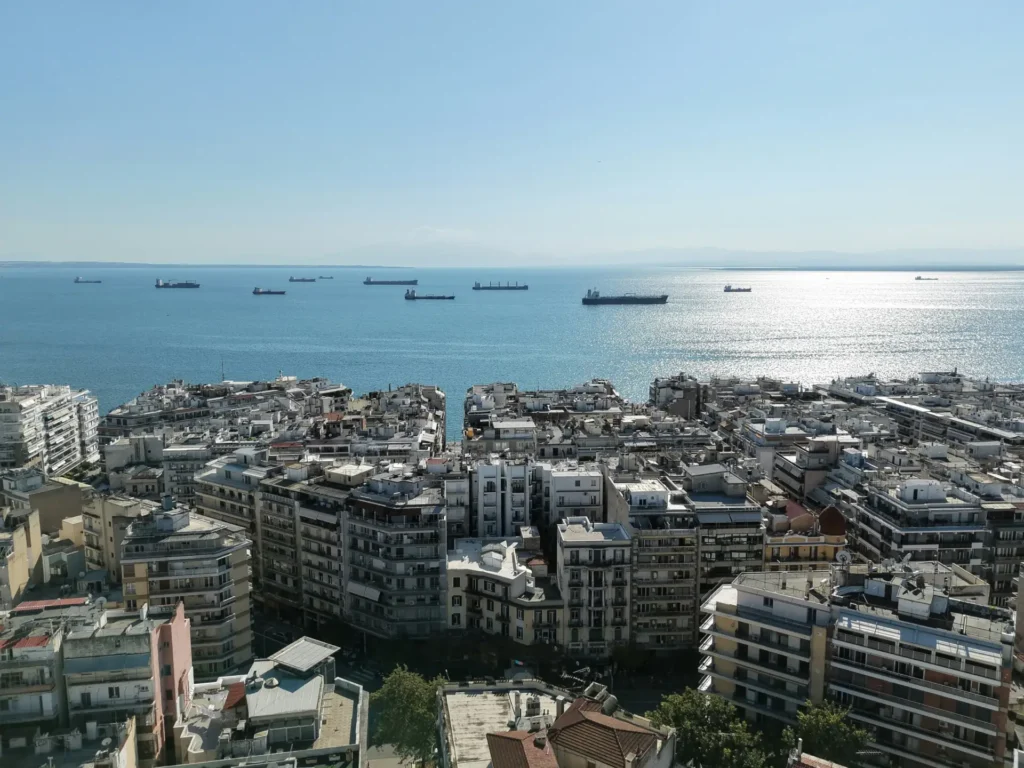

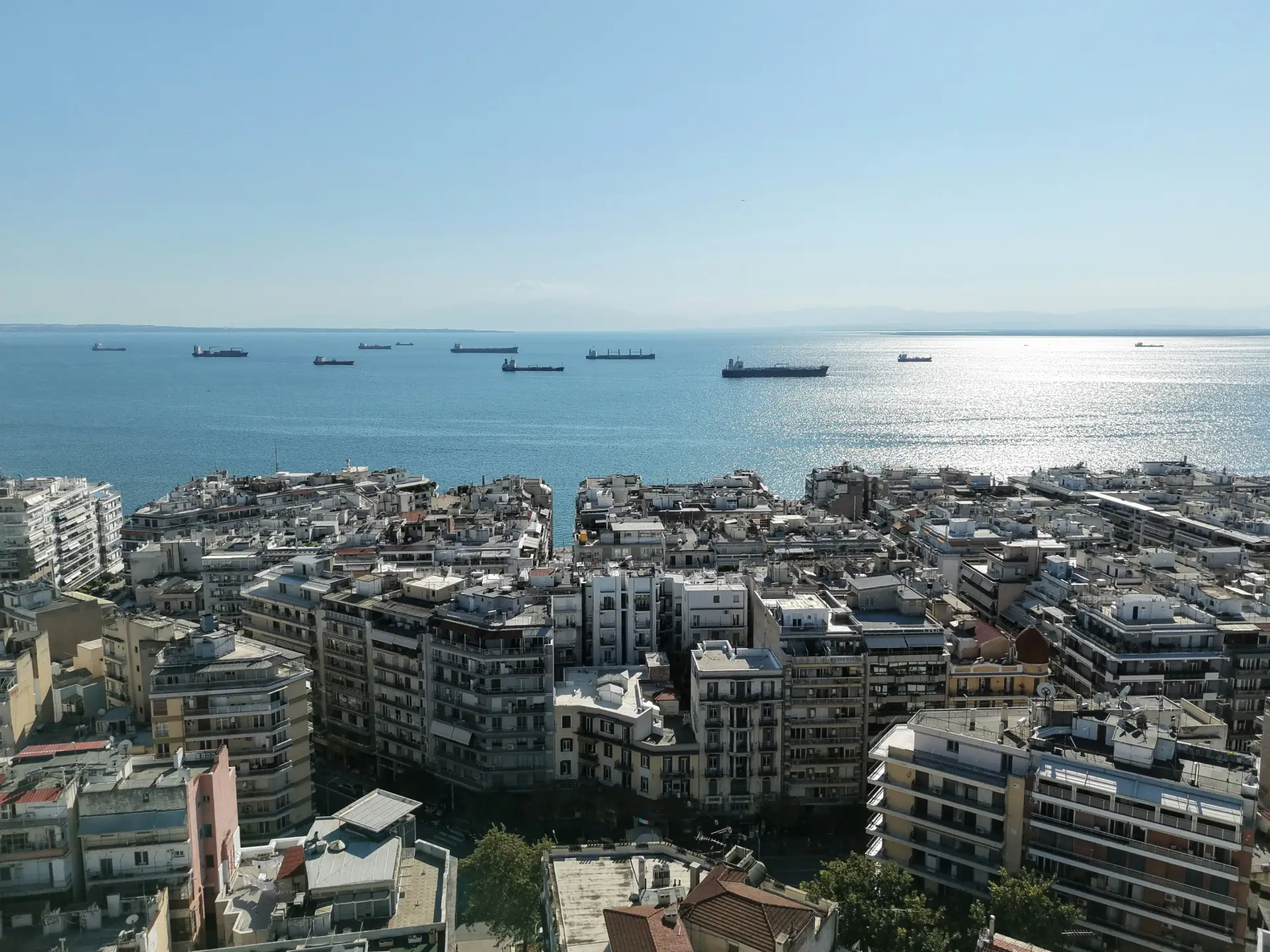
Greece has traditionally been marketed as a summer destination. For twenty years, “the best time to visit” had one answer: June to September, with a June or September asterisk if you wanted to dodge the worst of the heat and the crowds. That answer is changing not because travellers are settling for less, but because Greece itself is redesigning the year around a longer, more deliberate season.
The clearest sign is the government’s Tourism for All 2026–2027 programme. It directs 70% of its available budget to domestic holidays taken during the low season and offers larger accommodation subsidies for those months.
That figure applies to this specific domestic-travel programme, not Greece’s entire tourism budget. Even so, it supports a wider policy direction: spreading demand across more months, supporting regional businesses outside summer, and promoting destinations that don’t depend on beach tourism.
The short answer: Greece is prioritising autumn and winter travel to reduce its dependence on the summer peak, support tourism businesses for more of the year, and attract visitors to cities, mainland regions, mountain destinations and food-led experiences — and the arrival numbers suggest travellers are already responding.
Why Greece Wants a Longer Tourism Season
Reducing pressure during summer. July and August bring strong demand to Greece’s most popular islands and coastal destinations, pushing up prices and straining transport and local infrastructure. Encouraging more people to travel in autumn and winter doesn’t remove that peak, but it spreads some demand across the rest of the year and gives travellers more interested in culture, food or road trips than beaches a noticeably better experience.
Supporting regional businesses. Many tourism businesses earn most of their annual revenue in a short window. Hotels, guides, restaurants and local producers benefit when visitors keep arriving after September. By directing more of its budget to October through April, the Tourism for All programme gives eligible Greek residents a financial reason to travel when businesses have more availability.
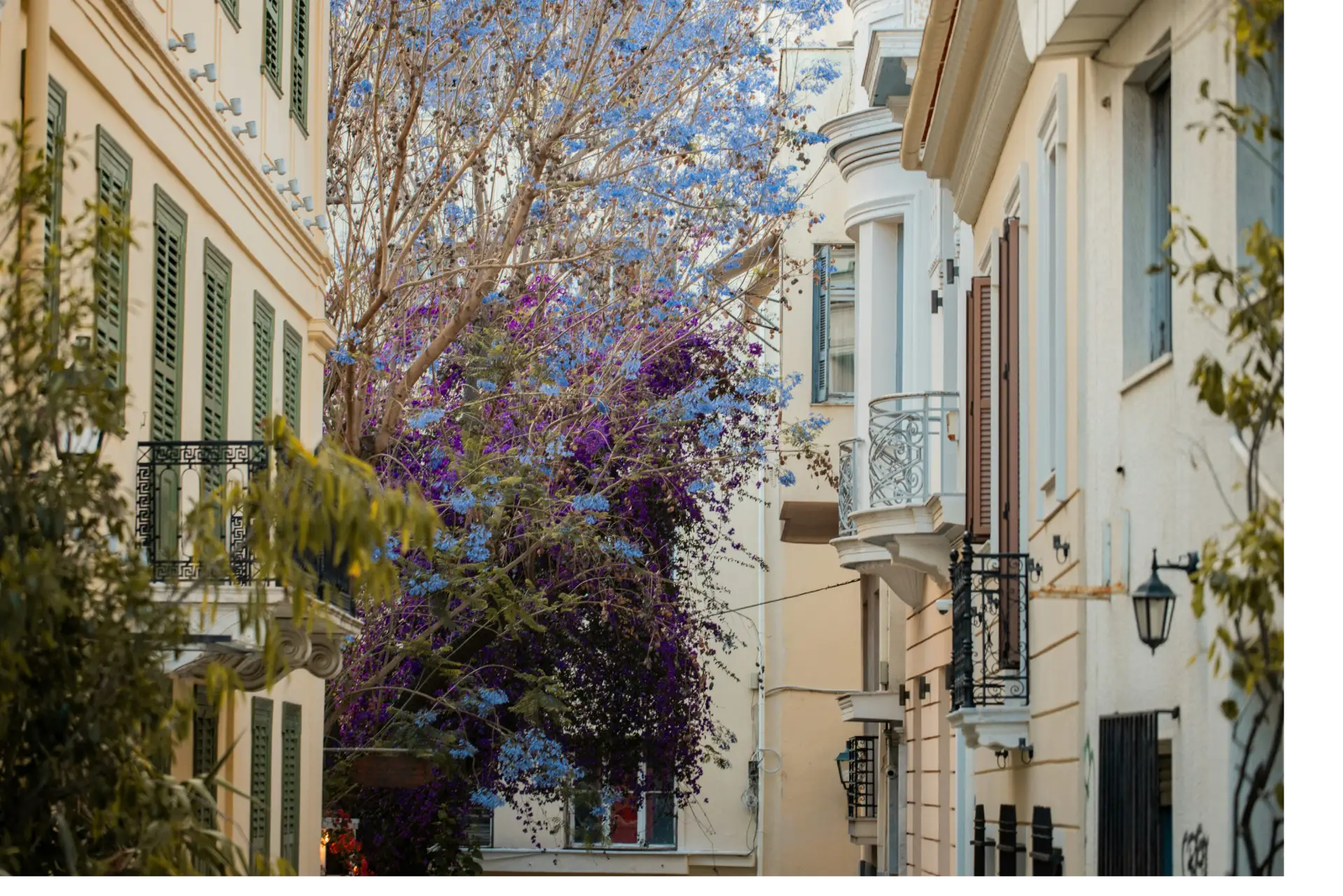
Promoting more than the islands. Autumn and winter naturally shift attention to different parts of Greece. Athens and Thessaloniki work year-round. The Peloponnese, Meteora, Zagori and Pelion suit road trips, history, food and walking. Mountain regions come into their own for winter stays. The OECD identifies mountain tourism, gastronomy, agritourism, and health and wellness among the products Greece is developing as part of a more diverse offer — experiences that don’t depend on high summer temperatures.
Making tourism more resilient. A longer season gives destinations a broader base of demand and can help businesses operate for more months, rather than surviving on a handful of exceptionally busy weeks. That doesn’t mean every hotel or restaurant stays open all year — transport, staffing and local demand still vary. The aim is to strengthen destinations that genuinely support off-season travel, not to pretend every summer resort works the same way in January.
The Numbers Behind the Shift
The policy isn’t happening in a vacuum — arrivals data backs it up. Inbound visits between January and June 2026 rose 15.4% year on year, with airport arrivals up 7.3% and road-border arrivals up a striking 49.3%. Growth from EU countries reached 19.3%, non-EU arrivals rose 10.7%, and Italy alone saw a 17.9% jump in visitor numbers, with Germany and the UK still the largest source markets by volume. None of that growth came from the August peak — it’s happening in the shoulder months the new policy is built around.
What the 70% Policy Actually Means
The Tourism for All 2026-2027 programme provides selected eligible Greek residents with a digital card for accommodation within Greece. Seventy per cent of the available budget is assigned to the low season, compared with 30% for the high season, and low-season beneficiaries also receive higher subsidies.
For the first phase, the low season runs from 1 October 2026 to 30 April 2027. The programme continues in a second phase through the end of 2027.
International visitors cannot apply for these vouchers. The policy is still relevant to them, though, because stronger domestic demand may encourage more accommodation and experiences to stay open outside summer.
Where Does Off-Season Greece Work Best?
Not every destination offers the same experience after September. Travellers should choose places with permanent populations, year-round accommodation and enough restaurants and services for their dates.
| Destination | Best for | Strongest period |
|---|---|---|
| Athens | Museums, food, history and city breaks | October to April |
| Thessaloniki | Food, culture and northern Greece | October to April |
| Peloponnese | Road trips, archaeology, wine and towns | September–November; March–April |
| Meteora | Monasteries, scenery and walking | September–November; spring |
| Zagori and Pelion | Villages, food, mountains and walking | Autumn; selected winter stays |
| Larger islands with year-round communities | Local life, walking and quieter stays | Depends on transport and local openings |
What Is Greece Like From October to April?
October offers the widest choice — mainland road trips, archaeological visits, wineries, cities and some coastal time, though conditions vary between northern Greece, the mountains and the southern coast. Late September through November still delivers warm sea temperatures and open tavernas on the islands that stay lively into autumn, with none of the July crowding at the Acropolis or in Santorini’s caldera towns. (See our guide to Greece in October for more detail.)
November and December. Cities and mainland towns become more reliable than highly seasonal resorts — Athens, Thessaloniki, Nafplio and Ioannina are practical bases. Mountain destinations can get busy around Christmas and New Year, so popular hotels may still require early booking.
January and February are winter travel months proper. This is the window for city breaks, mountain hotels, museums, food, wellness and skiing where conditions allow — long lunches instead of beach days, museums without queues, and noticeably lower prices across flights and hotels. Coastal resorts and small islands have limited accommodation and transport during these months.
March and April. Spring reopens the options: walking, archaeology, mainland touring and Easter travel all become relevant. Check the Orthodox Easter calendar, as it can affect demand, opening hours and accommodation prices.
What Does This Mean for Travellers?
Travelling outside summer can offer:
- More comfortable temperatures for sightseeing
- Less pressure at major archaeological sites
- Better availability in cities and year-round destinations
- Stronger opportunities for food, wine and regional experiences
- More flexibility when working with private guides
- Pricing that hasn’t caught up to summer-season demand, even at higher-end properties
There are also practical limitations:
- Weather is less predictable
- Days are shorter
- Swimming cannot be guaranteed
- Some hotels, restaurants and experiences close seasonally
- Ferry and flight schedules may be reduced
An off-season trip should be designed for the month it’s taken in, not treated as a cheaper version of August.
Who Should Consider an Autumn or Winter Trip?
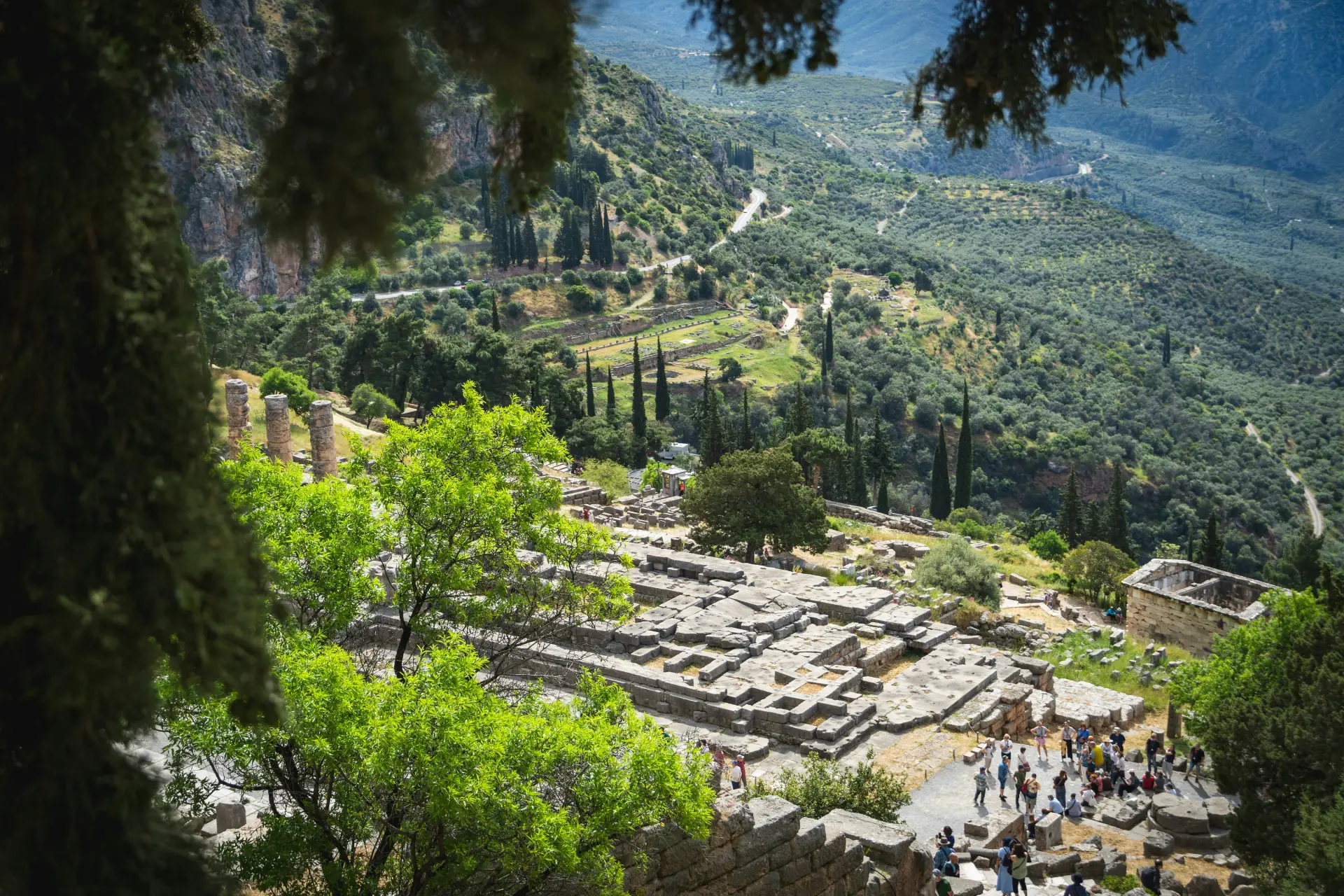
- Travellers who’ve already done the islands in summer and want to see the mainland’s cultural side without competing with tour buses.
- Couples and small groups prioritising food, wine and a slower pace over pool time.
- Anyone planning around a specific festival, museum opening or culinary season rather than beach weather.
- Value-conscious travellers who want a five-star experience without five-star August pricing.
How to Plan an Autumn or Winter Trip to Greece
Choose a destination that works year-round. Start with cities, regional towns and mainland areas with permanent residents and reliable services. Smaller islands and remote coastal resorts need more careful checking.
Confirm transport first. Reduced ferry and flight schedules may determine which destinations can realistically be combined. Confirm the route before booking non-refundable accommodation.
Check seasonal opening dates. Verify hotels, restaurants, guides and activities directly — an active website doesn’t always mean a business is open on your dates.
Use fewer bases. Shorter daylight hours and changeable weather make fast itineraries harder to manage. Staying longer in each place reduces driving and adds flexibility.
Include alternatives. Outdoor plans should have a practical substitute. Museums, wineries, cooking experiences and privately guided cultural visits keep an itinerary working if the weather changes.
Planning Greece outside the summer season? Plous designs tailor-made journeys around current transport schedules, confirmed hotel openings and experiences suited to the month you’re travelling. Plan My Greece Journey

Frequently Asked Questions
Why is Greece promoting autumn and winter travel? Greece wants to reduce its dependence on the summer peak, support businesses during quieter months and attract visitors to cities, mainland regions, mountains and year-round experiences. The Tourism for All 2026-2027 programme, which directs 70% of its budget to October–April travel, is the clearest expression of that strategy.
Is Greece spending 70% of its total tourism budget on the low season? No. The 70% figure applies specifically to the Tourism for All 2026-2027 domestic-travel programme, not Greece’s entire tourism budget or international marketing expenditure.
Can international travellers use Tourism for All vouchers? No. The programme is for eligible Greek tax residents selected through its application process. International visitors may only benefit indirectly from wider off-season availability.
Is autumn a good time to visit Greece? Yes. Late September through November still offers warm sea temperatures and open island infrastructure, alongside strong conditions for mainland road trips, archaeological sites, food, wine and walking. October provides the broadest choice; later autumn requires more attention to weather and seasonal openings.
Is Greece a winter destination? Parts of Greece work well in winter, particularly Athens, Thessaloniki, mainland towns and mountain regions. Most islands scale back significantly after October, so the destination needs to be chosen carefully.
Is it cheaper to visit Greece outside summer? Generally, yes. Flights and hotel rates outside the June–September window are typically lower, and availability at higher-end properties is easier to secure without the summer booking rush.
Greece Beyond the Summer Peak
Greece’s focus on autumn and winter travel isn’t an attempt to replace the summer season — it’s a deliberate, budget-backed effort to use more of the year, and the arrival data suggests it’s already working. For travellers, the opportunity is clear: cities, mainland routes, food, wine, culture and mountain stays offer a genuinely different trip from the standard summer holiday, often with less competition for the good tables, the good rooms and the good light.
The planning needs to be different too. Transport, hotel openings, weather and daylight should all be checked before the itinerary is confirmed.
Plous plans off-season journeys around the places and experiences that genuinely work for each month. Tell us your dates, number of nights and interests, and we’ll help you choose a realistic route.