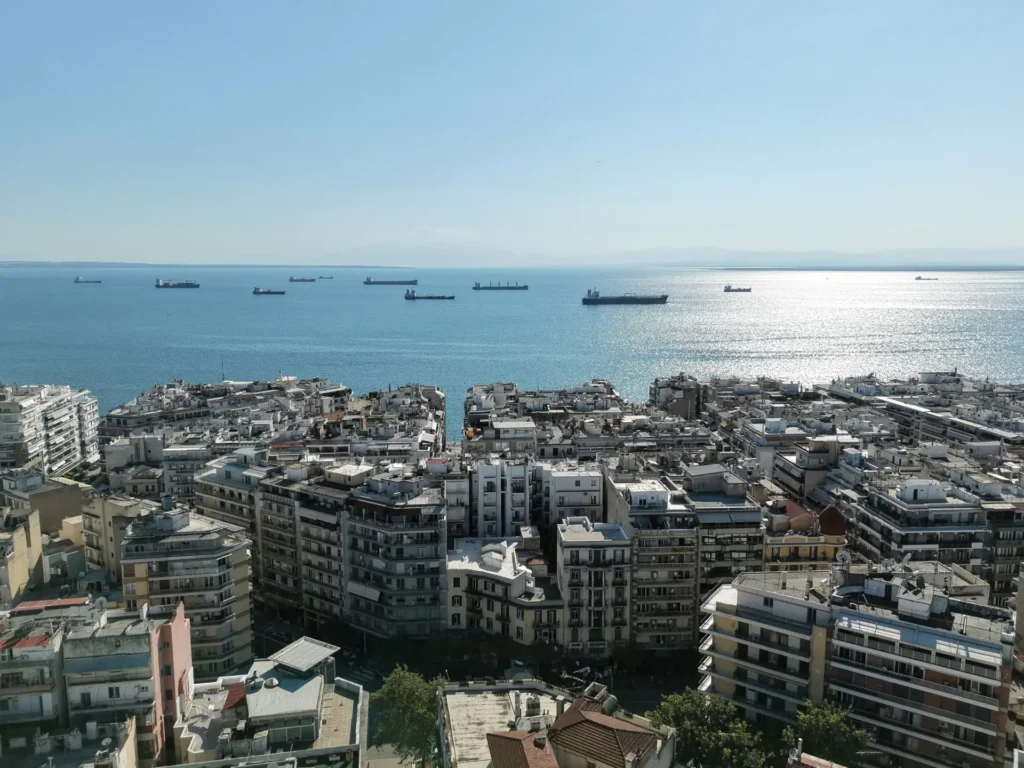


For decades, August has been seen as the default month for Greece.
School holidays, long European summer breaks, and the promise of endless sunshine made it the obvious choice for travellers planning their time in the Mediterranean. Beaches are at their busiest, islands are fully operating, and the social energy of summer reaches its peak.
For many travellers, that remains part of the appeal.
But increasingly, August is no longer the best time to experience Greece.
Not because the country loses its beauty, but because the conditions of travel have changed. Temperatures have become more intense, demand has become more concentrated, and the overall pace of the season has shifted in ways that many travellers only fully understand once they arrive.
At the same time, alternative travel periods are becoming more attractive – offering the same landscapes, warmer sea temperatures, easier logistics, and often a far more balanced experience.
This is quietly changing the way experienced travellers plan Greece.
The Challenge of Peak August
August remains the busiest travel month across Greece.
Hotels operate at full occupancy, ferries are at their highest demand, and some of the most popular islands – particularly Mykonos, Santorini, and Paros – reach their seasonal peak in both volume and pricing.
This creates a very particular kind of atmosphere.
For travellers looking for energy, social movement, and a highly active summer environment, this can still be part of the attraction.
But for those seeking a slower pace, privacy, or a more immersive connection to place, the reality can feel very different.
Reservations become harder to secure. Ports become more congested. Beach clubs reach full capacity earlier in the day. Even movement between islands often requires more rigid planning due to limited availability.
The journey becomes less flexible.
And in Greece, flexibility is often one of the most valuable parts of the experience.
Heat Is Reshaping the Season
One of the most noticeable changes in recent years has been the intensity of summer temperatures.
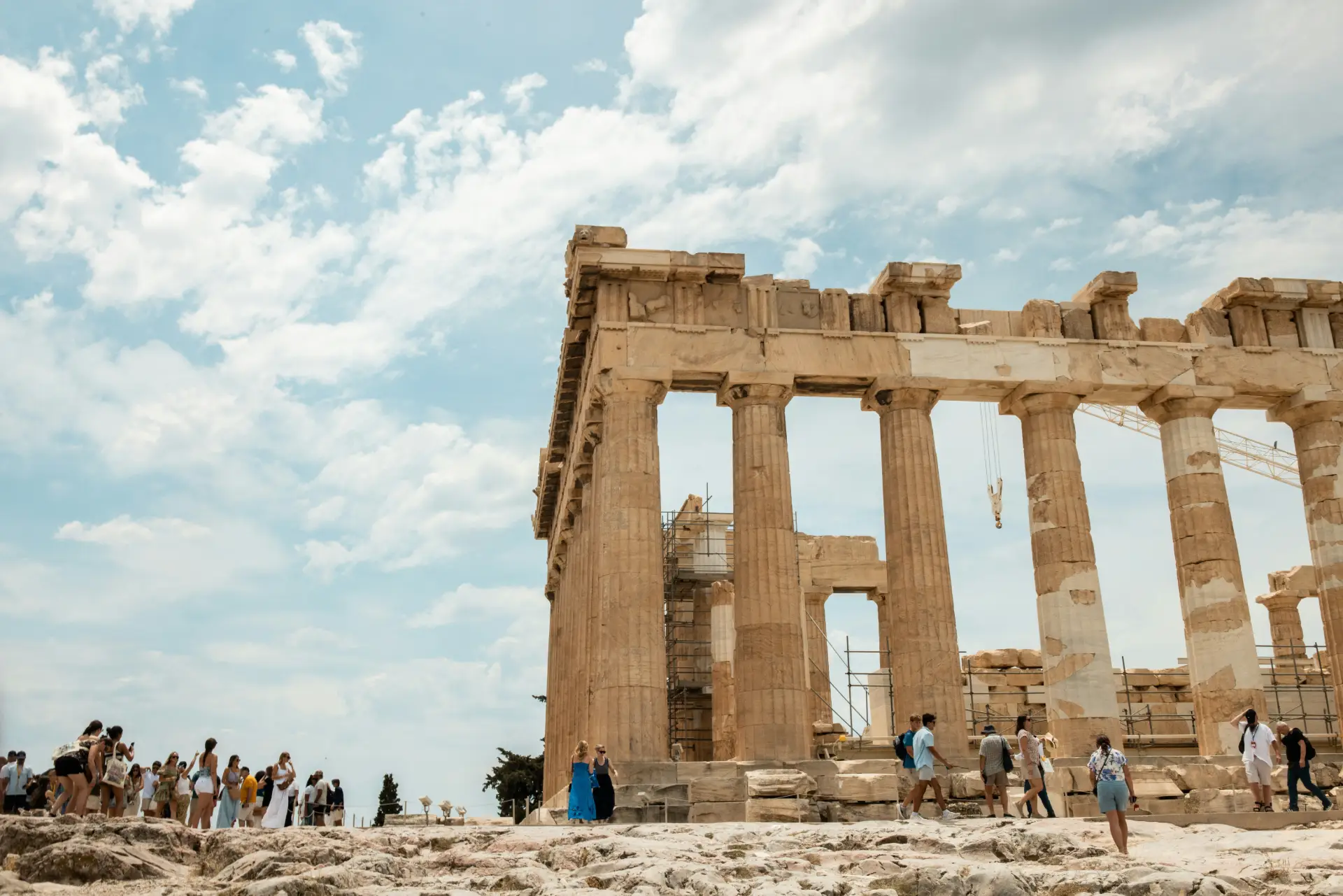
August now regularly brings extended heatwaves across both the mainland and the islands, with temperatures in some regions exceeding 38°C for consecutive days.
This changes how travellers move.
Midday exploration becomes more difficult. Archaeological visits feel more demanding. Walking through villages or towns often shifts entirely to early morning or late evening.
Even simple decisions – lunch outdoors, ferry transfers, beach time – begin to revolve around avoiding the strongest hours of the day.
For travellers who want a more balanced pace, this increasingly matters.
The best trip is rarely the one spent managing the weather.
June and September Offer a Different Kind of Luxury
This is where many experienced travellers are shifting.
June and September now offer what many consider the strongest balance in Greece: warm weather, swimmable seas, full island operation, and significantly better pacing overall.
The atmosphere changes noticeably.
Restaurants remain easier to access. Ferry schedules remain strong. Beaches feel active without becoming overwhelming. Hotels often offer greater availability and more flexibility in room selection.
Most importantly, the destination itself feels easier to experience.
This is particularly true in islands such as Sifnos, Serifos, Hydra, and Folegandros, where much of the appeal depends on pace and atmosphere rather than nightlife alone.
These destinations often feel strongest outside the intensity of August.
The Shoulder Season Is Becoming More Valuable
Across luxury travel more broadly, shoulder season is no longer seen as secondary.
In many destinations, it has become the preferred time to travel.
Greece is no exception.
Travellers are increasingly prioritising ease, privacy, and stronger access over simply travelling during the busiest month. This shift reflects a broader change in what luxury now means.
Luxury is no longer only about where you stay.
It is increasingly about how comfortably you experience the destination itself.
That includes temperature, timing, crowd density, and how much room there is for spontaneity.
The Best Time to Visit Greece Depends on the Journey
This does not mean August should be avoided entirely.
For some travellers – particularly those seeking high-energy island life, vibrant beach scenes, and the full intensity of summer – it may still be exactly the right time.
But for many others, the strongest version of Greece exists slightly outside its peak.
A sailing journey through the Saronic Gulf in June feels very different from the same route in mid-August. A culinary journey through Crete in late September offers a very different rhythm than peak summer. Even Athens becomes more walkable and rewarding outside the hottest weeks of the season.
The right time to visit Greece depends less on tradition and more on the kind of experience you want to have.
And increasingly, travellers are learning that the best journey is not always the busiest one.

Plan Greece at the Right Time for You
Seasonality shapes Greece as much as destination choice.
Understanding when to travel can influence pace, comfort, accessibility, and the overall quality of the journey itself.
Plous designs tailor-made journeys throughout Greece by aligning destinations, experiences, and travel timing to create itineraries that feel balanced, thoughtful, and naturally suited to each traveller.
Begin your journey with Plous and discover Greece at the time that suits you best.