
Greece remains open in winter, but not in the same way everywhere.
Athens, Thessaloniki and larger mainland cities continue to operate normally. Major museums and archaeological sites remain open, usually with shorter winter hours. Mountain towns and established winter destinations can be busy, particularly around Christmas and weekends.
The islands require more careful planning. Larger islands and administrative centres retain year-round residents, shops, restaurants and transport. Small resort areas may become extremely quiet, with many hotels and seasonal businesses closed until spring.
The short answer: Visit Greece in winter for Athens, Thessaloniki, Nafplio, Meteora, Ioannina, Zagori, Pelion, Crete or Syros. Museums and major sites remain available, but opening hours are shorter. Ferries and flights continue on principal routes with reduced schedules. Avoid building the trip around swimming, resort hotels or fast island hopping.
What Does “Winter” Mean in Greece?
For travel planning, winter Greece is generally the period from November through March. Conditions vary considerably between the coast, cities and mountains.
Athens, the Peloponnese and southern Crete can have mild, bright days, but rain and cold evenings are possible. Thessaloniki and northern Greece are cooler. Mountain regions may have snow, ice and difficult driving conditions.
The official Greek tourism site describes the country’s winters as generally mild in lowland areas while noting that mountainous regions are commonly snow-covered. That difference is important: a January city break in Athens and a January road trip through Zagori require different clothing, transport and contingency planning.
What Stays Open in Greece During Winter?
Cities and Working Towns
Athens, Thessaloniki, Patras, Heraklion, Chania, Ioannina, Volos and other regional centres operate throughout the year. Hotels, restaurants, cafés, shops and public transport continue because local residents use them.
Tourism-specific businesses may reduce their hours, but travellers are not dependent on a short summer season for basic services.
Museums and Archaeological Sites
Major museums and archaeological sites remain open during winter. The Acropolis, Ancient Agora and other principal Athens sites publish winter schedules, which are typically shorter than summer hours. Some sites may close one day per week or operate differently on public holidays.
Check the official Ministry of Culture listing for each site shortly before the visit. Do not rely on summer timetables reproduced on older travel pages.
Mainland Hotels and Restaurants
City hotels, mountain guesthouses and accommodation in working towns generally remain available. Remote country hotels and coastal properties vary. Some open only for weekends or holiday periods, while others close entirely between autumn and spring.
Restaurants follow a similar pattern. A town may be active year-round while an isolated hotel still has limited nearby dining.
Ferries and Domestic Flights
Ferries continue to serve island communities throughout winter, but routes may operate less frequently and may be affected by weather. Direct connections that work in summer may disappear, making Athens the necessary connection point.
Domestic flights continue to larger islands and regional airports, although schedules can also be reduced. Confirm transport before choosing accommodation, particularly when combining islands.
Island Towns
Island capitals and towns with permanent populations remain active. This does not mean the entire island is operating at summer capacity.
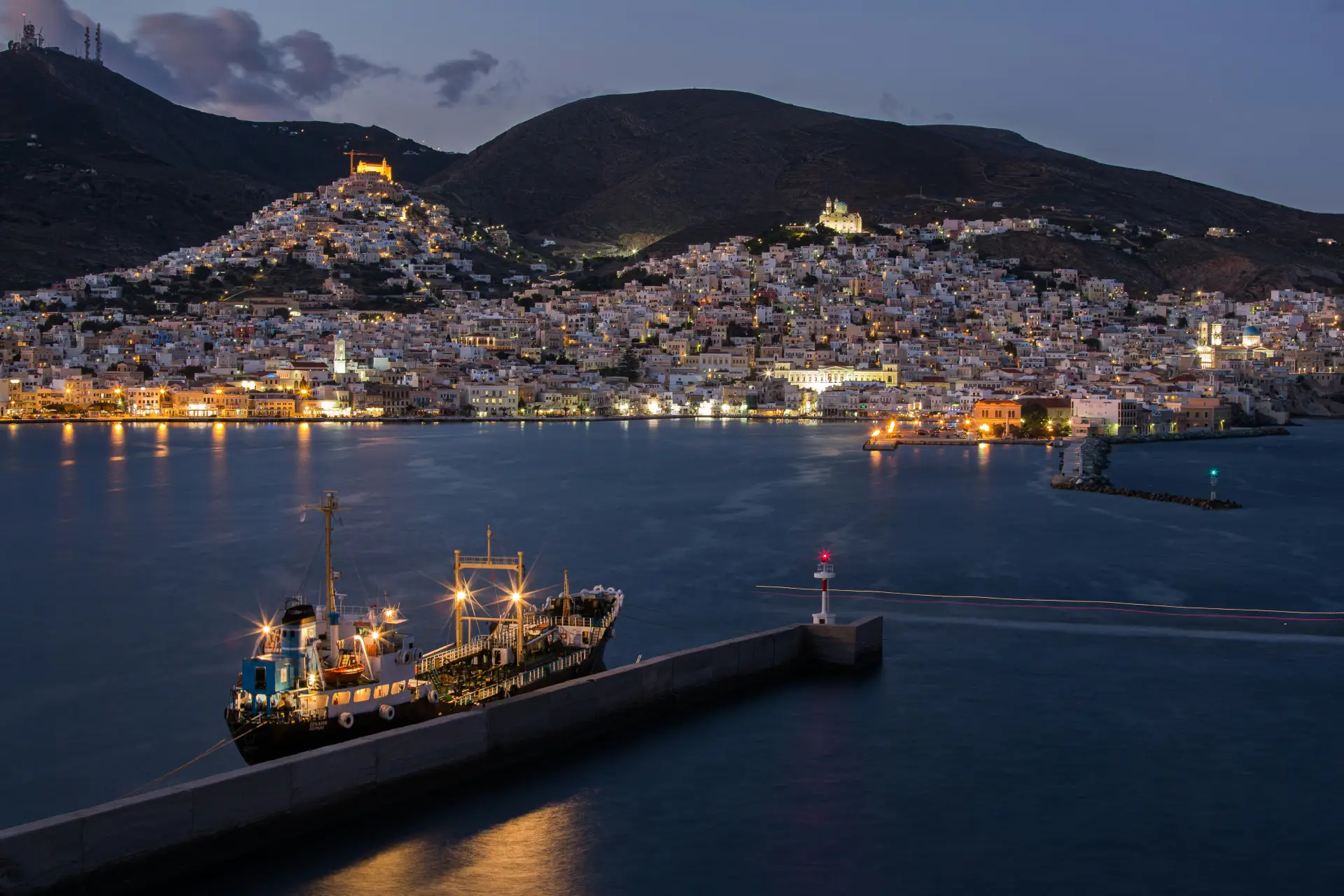
In Crete, cities such as Heraklion and Chania retain year-round services, while many resort areas become quiet. Ermoupoli on Syros remains a functioning Cycladic capital through winter, but smaller beach settlements on the island have far fewer options.
Where Should You Go in Greece in Winter?
| Destination | Best for | Suggested stay | Main consideration |
|---|---|---|---|
| Athens | Archaeology, museums, food and neighbourhoods | 3–4 nights | Check winter site hours |
| Thessaloniki | Food, Byzantine history and city life | 2–3 nights | Cooler and wetter than Athens |
| Nafplio and the Peloponnese | Road trips, history, wine and towns | 4–7 nights | Coastal and rural hotels vary |
| Meteora | Monasteries, landscape and short walks | 2–3 nights | Weather and monastery schedules |
| Ioannina, Zagori and Metsovo | Mountains, villages and regional food | 4–6 nights | Snow, ice and mountain driving |
| Pelion and Volos | Villages, food and a regional stay | 4–5 nights | Winding roads and limited rural dining |
| Crete | Island cities, archaeology and food | 5–8 nights | Choose towns, not summer resorts |
| Syros | Year-round Cycladic town life | 3–4 nights | Reduced transport and seasonal coastal areas |
1. Athens
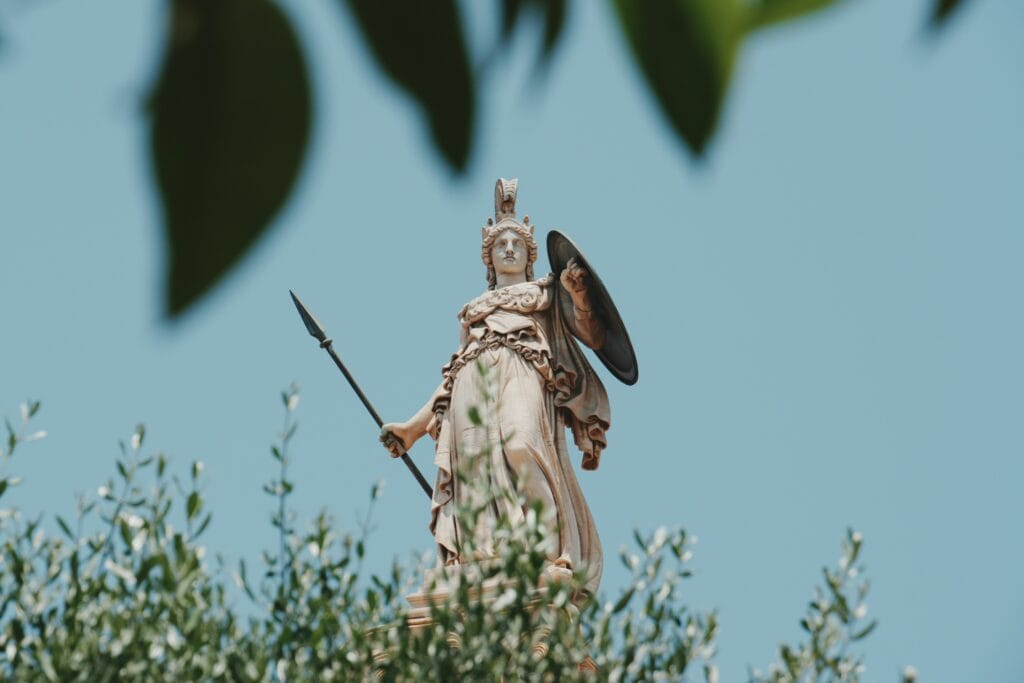
Athens is the simplest winter destination in Greece. International flights continue, the hotel market operates year-round and the city has enough museums, archaeological sites, restaurants and neighbourhoods for a three- or four-night stay.
Winter is particularly useful for travellers who want to explore on foot without organising every day around heat. The trade-off is shorter daylight and earlier archaeological-site closing times.
The Acropolis, Acropolis Museum, Ancient Agora, National Archaeological Museum and the city’s smaller collections provide alternatives when the weather changes.
2. Thessaloniki
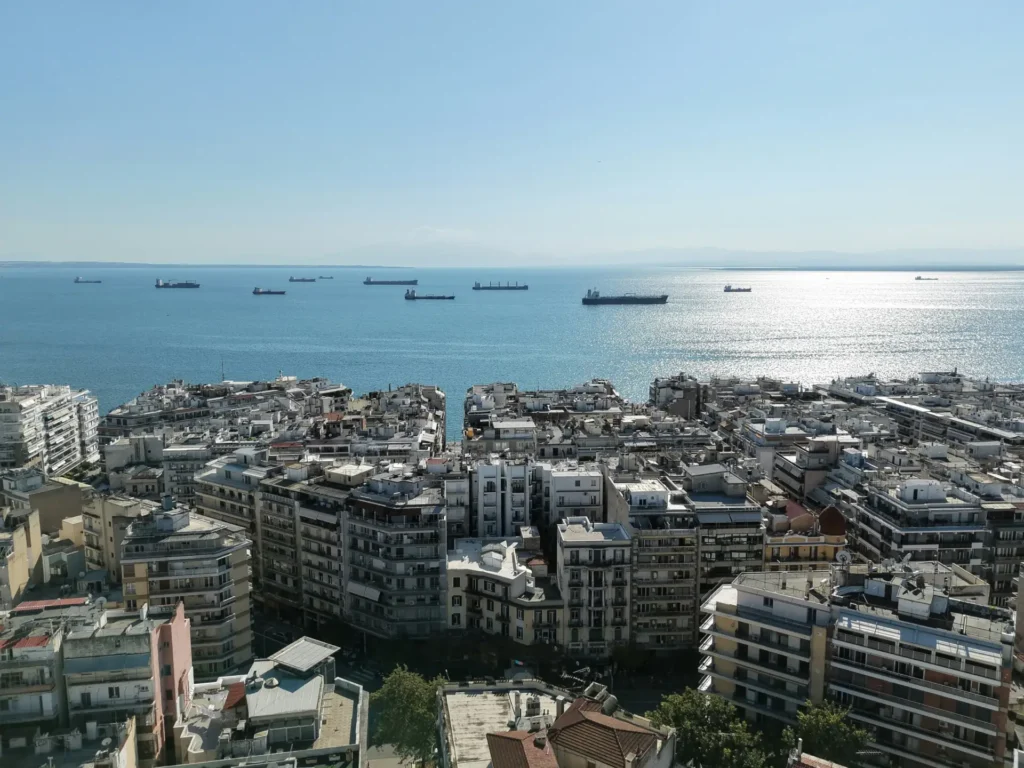
Thessaloniki works well for a shorter winter break or as the beginning of a northern Greece route. The city centre is compact, its food culture is active year-round and its Byzantine monuments suit cooler sightseeing days.
Allow two or three nights for the waterfront, markets, museums and historic centre. Add more time only if you are including another northern destination.
Our guide to an Athens and Thessaloniki winter city break explains how to combine the two cities in five to seven days.
3. Nafplio and the Peloponnese
Nafplio is a practical winter base because it is a working town with year-round hotels and restaurants. It can be combined with Mycenae, Epidaurus and Nemea without creating a long road trip.
With more time, a Peloponnese route can include Monemvasia, Mani or Messinia. Accommodation and dining should be confirmed carefully in smaller coastal locations, especially from January to March.
Winter road trips also need shorter driving days. Do not plan rural or mountain routes using summer daylight hours.
4. Meteora
Meteora remains accessible in winter and can be quieter than during the main season. The monasteries follow individual opening schedules, so the daily plan should be built around the monasteries that are open on the intended dates.
Stay at least two nights. This allows time for a guided visit, viewpoints and flexibility if fog, rain or snow affects outdoor plans.
5. Ioannina, Zagori and Metsovo
This is one of Greece’s strongest winter regions for travellers who want mountains, villages and regional food.
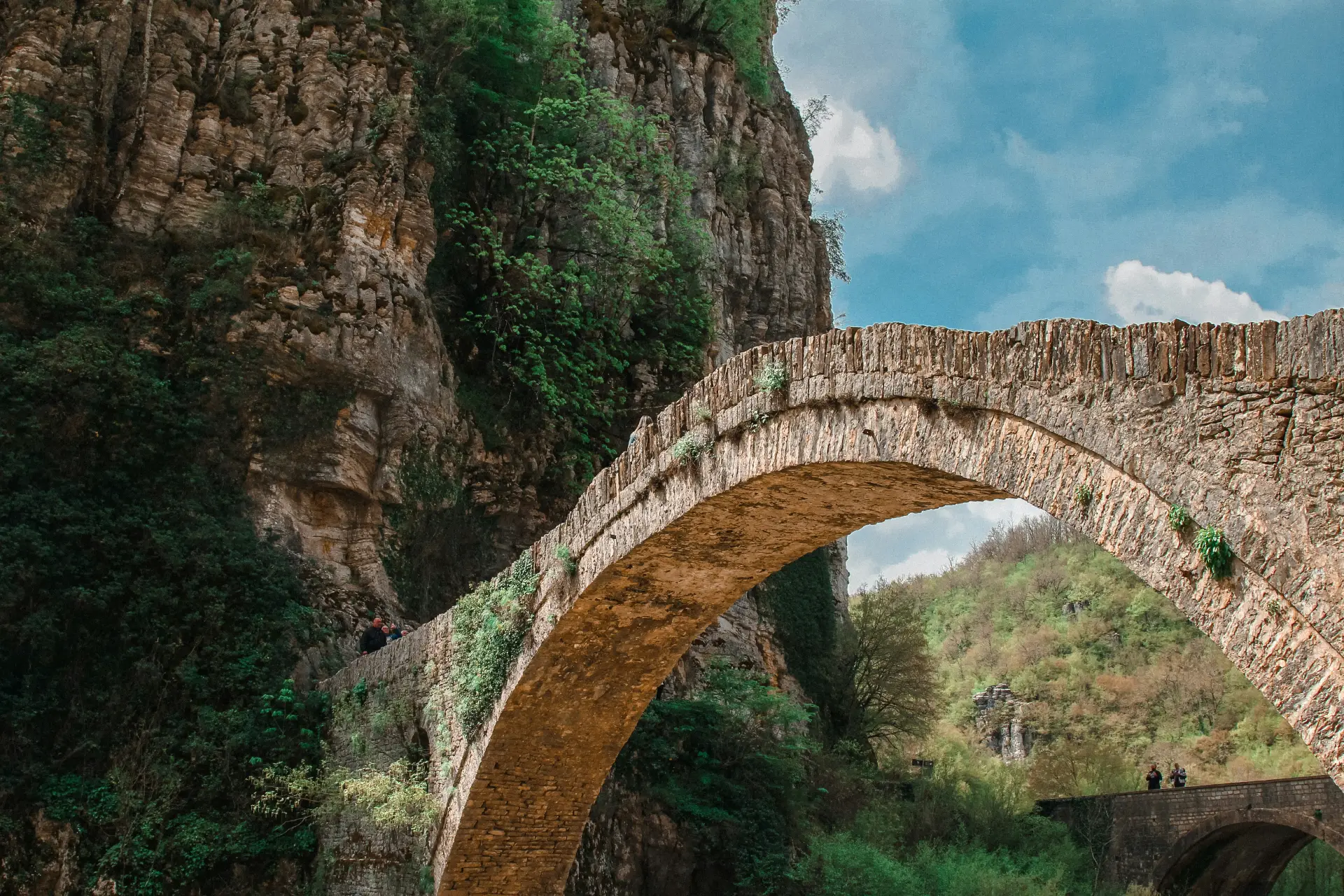
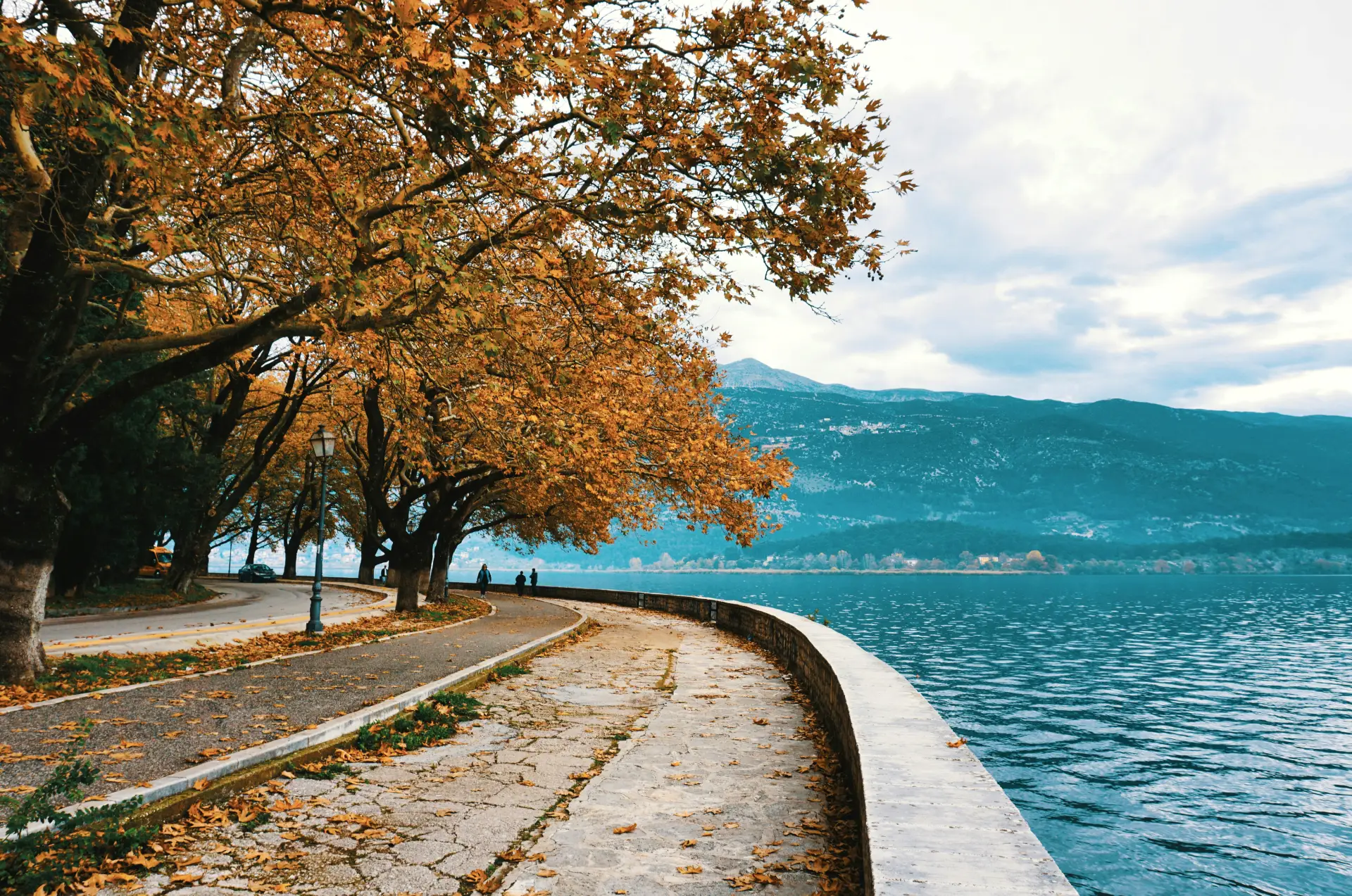
Ioannina provides the most reliable city base. Metsovo is an established mountain destination, while Zagori requires more planning because villages are dispersed and roads can be affected by winter conditions.
Choose accommodation according to access and dining, not only appearance. A beautiful remote property may be inconvenient if nearby restaurants operate only on selected days.
6. Pelion and Volos
Volos remains active throughout the year and is known for its food culture. Pelion adds mountain villages, traditional accommodation and access to both the Pagasetic Gulf and Aegean sides of the peninsula.
Winter travellers should choose one well-positioned base rather than trying to cross the peninsula every day. Roads are winding, weather varies by altitude and restaurants in smaller villages may not open daily.
7. Crete
Crete is the most practical large island for winter travel, but the itinerary should focus on its cities, history and food rather than beach resorts.
Heraklion works for the Archaeological Museum, Knossos and central Crete. Chania and Rethymno offer historic centres, local restaurants and access to nearby villages. Many coastal resort hotels and summer excursions close, while mountain weather can affect driving.
Five to eight nights allows travellers to use two bases without rushing across the island. Confirm archaeological-site hours and avoid assuming that summer boat trips or gorge routes operate in winter.
8. Syros
Syros is one of the more practical Cycladic islands in winter because Ermoupoli is the administrative capital of the Cyclades and has a permanent population. The town retains cafés, shops, cultural venues and local services beyond summer.
The experience is urban and local rather than beach-focused. Coastal villages have fewer open businesses, and ferry or flight schedules should be checked before confirming the stay.
Which Greek Islands Stay Open in Winter?
No island operates exactly as it does in summer. The better winter choices are islands with large permanent populations, administrative centres or reliable air connections.
The strongest options include:
- Crete: best overall for cities, archaeology, food and a longer stay
- Syros: best for a compact Cycladic town experience
- Rhodes: Rhodes Town has year-round residents and services, while resort areas are quieter
- Corfu: Corfu Town remains active, though winter is wetter and many coastal hotels close
- Aegina: easy to reach from Athens and suitable for a short stay, subject to ferry schedules
Choose the specific town before choosing the island. “Crete in winter” can mean an active stay in Heraklion or a closed resort area several hours away. The same distinction applies elsewhere.
Where Should You Be Careful About Going?
Small Seasonal Islands
Small Cycladic and Dodecanese islands can be rewarding for travellers seeking quiet, but accommodation, restaurants and transport may be very limited. They are poor choices for a first winter trip unless the arrangements have been confirmed directly.
Purpose-Built Beach Resorts
Many resort areas close almost entirely after the summer season. A low hotel rate does not help if nearby restaurants, transport and activities are unavailable.
Fast Island-Hopping Routes
Winter ferry schedules are not designed around tourism itineraries. Connections are less frequent, weather disruptions are more likely and direct island-to-island routes may not operate.
For a winter trip, one island combined with Athens is usually stronger than three islands in quick succession. Read Why Ferry Planning Can Shape Your Greek Island Journey before confirming a route.
What Is Greece Like Month by Month?
November
November works for cities, mainland touring and some southern destinations. The weather becomes less predictable, but daylight is still more useful than in midwinter. Seasonal businesses continue closing as the month progresses.
December
Athens and Thessaloniki add festive events, while mountain destinations become busier around Christmas and New Year. Book popular mountain hotels and holiday dinners early.
January and February
These are the quietest months for coastal tourism and the strongest months for a true winter itinerary. Choose cities, museums, mountain towns, food and wellness. Allow flexibility for rain, snow and transport changes.
March
Days become longer and archaeological touring becomes easier. March remains changeable, but it can work well for Athens, the Peloponnese and Crete before the spring season gathers pace.
Three Realistic Winter Itineraries
Seven Nights: Athens and Nafplio
- Three nights in Athens
- Three nights in Nafplio
- One final night in Athens before departure
This is the simplest first winter route. It combines museums, archaeology and a manageable mainland drive without depending on seasonal transport.
Seven Nights: Thessaloniki, Meteora and Metsovo
- Three nights in Thessaloniki
- Two nights near Meteora
- Two nights in Metsovo
This route combines city, culture and mountains. A private driver may be preferable if weather or unfamiliar roads are a concern.
Seven Nights: Crete’s Cities and History
- Three nights in Chania
- One or two nights in Rethymno
- Two or three nights in Heraklion
This route should be organised around current museum and archaeological-site hours. Use the cities as bases and treat coastal scenery as an addition rather than the main purpose of the trip.
How to Plan Greece in Winter
Confirm Transport Before Hotels
Check flights, ferries and rail or road connections before booking non-refundable accommodation. Winter schedules may make a route impractical even when the destinations look close on a map.
Check Opening Days Directly
Museums, sites, restaurants and experiences may have shorter hours or weekly closing days. Verify the details for the actual dates rather than relying on a general destination guide.
Use Fewer Bases
Shorter daylight and possible weather disruption make fast itineraries less reliable. Two or three nights in each destination gives the schedule room to change.
Plan for Different Weather in One Trip
Athens may be mild while Meteora or Zagori is experiencing snow. Pack layers, weather-resistant shoes and a proper coat if the route includes northern or mountain regions.
Keep the Final Night Simple
When ferries, mountain roads or domestic flights are involved, spend the final night close to the international departure airport. This reduces the risk created by winter disruption.
These principles are part of How to Plan a Trip to Greece So It Actually Flows: route design should begin with transport, daylight and realistic travel time.
Not sure which parts of Greece work for your winter dates? Plous designs routes around confirmed accommodation, current transport and experiences that remain available outside the summer season.
Click to : Plan My Greece Journey

Frequently Asked Questions
Is Greece worth visiting in winter?
Yes, if the trip focuses on cities, mainland regions, archaeology, food or mountain destinations. Winter is less suitable for travellers whose priorities are swimming, beach clubs or extensive island hopping.
Is Athens open in winter?
Yes. Hotels, restaurants, museums and city services operate year-round. Major archaeological sites remain open with winter schedules, which should be checked before the visit.
Which Greek islands are best in winter?
Crete and Syros are among the strongest options. Rhodes Town, Corfu Town and Aegina can also work. Choose a year-round town and confirm transport and accommodation rather than assuming the entire island remains active.
Do Greek ferries run during winter?
Yes. Ferries continue to serve island communities, but schedules are reduced and weather can cause changes. Direct summer connections may not operate, so check the complete route before booking.
Can you visit archaeological sites in winter?
Yes. Major sites remain open, generally with shorter hours than in summer. Weekly closures, public holidays and weather can affect access, so use the official Ministry of Culture information for each site.
Does it snow in Greece?
Yes, particularly in mountain regions and parts of northern Greece. Snow is uncommon in many lowland and coastal areas but can affect mountain roads, walking routes and transfers.
What should you pack for Greece in winter?
Pack layers, a warm weather-resistant coat, comfortable shoes with good grip and an umbrella. Add proper winter clothing if visiting mountain destinations.

The Right Winter Trip Depends on the Destination
Greece does not close in winter. Its tourism map changes.
Cities, working mainland towns, major cultural sites and established mountain destinations remain active. Large islands retain year-round communities, but resort areas and tourism-specific businesses may close. Transport continues, although less frequently and with greater exposure to weather.
The best first winter trips are usually simple: Athens with Nafplio, Thessaloniki with Meteora, or a city-based route through Crete. These itineraries offer enough year-round infrastructure without requiring summer conditions.
Plous plans winter journeys around the month, not a generic idea of Greece. Accommodation, transfers, guides and dining are selected according to what is operating on the actual dates.
If you are considering Greece between November and March, tell us your dates, number of nights and whether you prefer cities, archaeology, food, mountains or an island stay. We will recommend a route that works in practice.
Click to: Plan My Greece Journey